


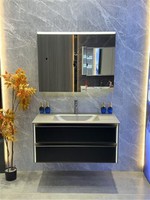
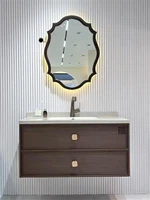
Bathroom Countertop
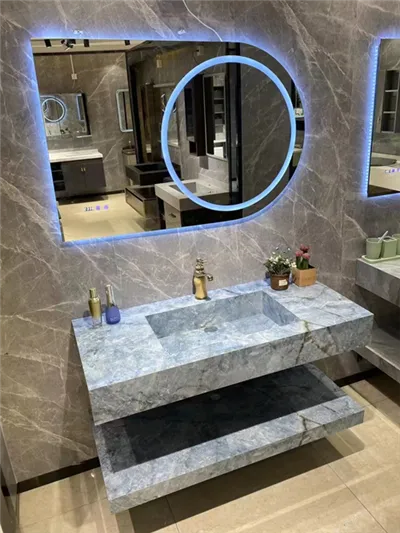
Bathroom countertop is a prominent feature in bathroom design, serving both practical and aesthetic purposes. It is a horizontal surface installed above the bathroom cabinets or vanity, providing a platform for various activities such as grooming, applying skincare products, and housing essential items. Bathroom countertops are crafted from a diverse range of materials, including natural stones like granite or marble, engineered quartz, laminate, and other solid surface materials. The selection of countertop material is often influenced by considerations such as durability, resistance to water and moisture, ease of maintenance, and aesthetic preferences.Beyond functionality, bathroom countertops contribute significantly to the overall design and style of the bathroom. The choice of color, pattern, and texture can impact the visual appeal of the space, creating a cohesive and harmonious look with the surrounding decor.
Advantages of Bathroom Countertop
Durable and resilient materials
Bathroom countertops are commonly constructed from durable materials such as granite, quartz, or marble. These materials are resistant to scratches, stains, and moisture, ensuring longevity and ease of maintenance.
Personalization and aesthetic variety
The vast array of countertop materials, colors, patterns, and finishes allows for personalized bathroom designs. Homeowners can choose a countertop that complements their preferred style, whether it be modern, classic, or eclectic, contributing to the overall aesthetic of the bathroom.
Enhanced storage and organization
Bathroom countertops provide a flat and accessible surface for organizing daily essentials, such as toiletries, skincare products, and grooming tools. This feature promotes an organized and clutter-free environment, streamlining daily routines.
Easy maintenance and cleaning
The smooth and non-porous surfaces of many countertop materials simplify cleaning routines in the bathroom. Stains can be easily wiped away, and the resistance to moisture prevents water damage, ensuring a hygienic and low-maintenance environment.





Why Choose Us
Professional Team
We specialize in bathroom products, seeking the perfect blend of quality, comfort, and aesthetics. With 14 years of experience, we have accumulated rich expertise in creating unique spaces for our clients.
Rich Experience
Our professional team and innovative design concepts allow us to offer comprehensive bathroom solutions. Whether it's home renovations or commercial space design, we prioritize our clients' needs. Through personalized design and high-quality products, we aim to create the perfect space that meets and exceeds our clients' expectations.
Our Service
We always maintain close contact and communication with customers, pay attention to customer needs and expectations, and ensure that every project can meet customer requirements and satisfaction.
Advanced Equipment
The bathroom cabinet workshop has 2 automatic loading and unloading processing centers, 1 edge banding machine, 1 automatic row turning machine, and 1 side hole machine!
Types of Bathroom Countertop
Granite Countertop
Known for its durability and natural beauty, granite is a popular choice for bathroom countertops. It comes in various colors and patterns, and each slab is unique. Granite is resistant to scratches and heat but may require periodic sealing.
Marble Countertop
Renowned for its elegance and timeless appeal, marble is a luxurious choice for bathroom countertops. However, it is softer than granite and can be more susceptible to stains and scratches. Regular sealing is often recommended for marble.
Quartz Countertop
Engineered quartz countertops are made from a blend of natural quartz crystals and resins. Quartz countertops are durable, non-porous, and come in a wide range of colors and patterns. They are resistant to stains and scratches and require minimal maintenance.
Solid Surface Countertop
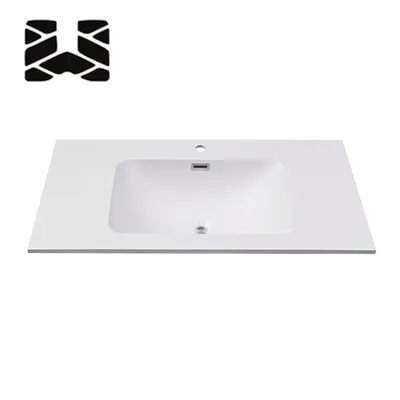
Solid surface countertops, like Corian, are made from acrylic or polyester materials. They are seamless, easy to clean, and come in a variety of colors and patterns. Solid surface countertops are also resistant to stains and can be easily repaired if scratched.
Laminate Countertop
Laminate countertops are a cost-effective option available in various colors and patterns. While they are affordable and easy to clean, laminate may be more susceptible to scratches and damage compared to other materials.
Tile Countertop
Tile countertops offer versatility in terms of design and come in various materials such as ceramic, porcelain, or natural stone. Tile countertops are durable, and any damaged tiles can be replaced individually. However, grout lines may require regular cleaning.
Concrete Countertop
Concrete countertops provide a modern and industrial look. They can be customized in terms of color and finish, and when properly sealed, they are resistant to stains. However, concrete countertops may require regular maintenance and sealing.
Wood Countertop
Wood countertops add warmth and a natural touch to the bathroom. While hardwoods like maple or oak are often used, they require regular sealing to protect against water damage. Wood countertops are best suited for bathrooms with minimal exposure to moisture.
Glass Countertop
Glass countertops offer a contemporary and sleek appearance. They are non-porous, easy to clean, and come in a variety of colors. However, they may be more prone to scratches and may require regular cleaning to maintain their shine.
How to Choose Bathroom Countertop
Consider Durability
Assess how much wear and tear your bathroom countertop will face. For high-traffic bathrooms, durable materials like quartz, granite, or solid surface may be suitable. For lower-traffic areas, options like laminate or tile may be sufficient.
Evaluate Aesthetic Preferences
Consider the overall design and color scheme of your bathroom. Choose a countertop material that complements the existing decor. Granite and marble offer natural variations, while quartz and solid surface countertops provide a more consistent appearance.
Examine Maintenance Requirements
Different materials have varying maintenance needs. Some, like quartz and solid surface, are low-maintenance and resistant to stains. Others, like marble and wood, may require more care and periodic sealing. Consider your willingness to invest time in maintenance tasks.
Think About Water Resistance
Bathrooms are exposed to water regularly, so it's crucial to choose a water-resistant material. Quartz, granite, and solid surface countertops are known for their water resistance. Avoid materials like wood that can be prone to water damage.
Evaluate Stain Resistance
If you're concerned about staining, consider materials with excellent stain resistance. Quartz and solid surface countertops generally resist stains well, making them suitable for bathrooms.
Assess Heat Resistance
If you frequently use hot styling tools in the bathroom, opt for a countertop material that is heat-resistant. Granite and quartz are known for their heat resistance, while materials like laminate may be less tolerant of high temperatures.
Think About Impact Resistance
In a busy household or if there are children in the home, consider materials that are impact-resistant. Quartz and solid surface countertops are generally more resilient to impacts compared to materials like marble.
Explore Different Materials
Familiarize yourself with the characteristics of various countertop materials, including granite, marble, quartz, solid surface, laminate, tile, and more. Understand their pros and cons to make an informed decision based on your priorities.
Gather Samples
Obtain samples of your preferred countertop materials to see how they look in your bathroom's lighting and alongside other elements. This allows you to visualize the final result and make a more confident decision.

Are There Differences Between the Installation Processes for Various Countertop Materials
Granite And Marble
Installation Process: Installing granite or marble countertops involves precise measurements and cutting of the stone slabs to fit the designated space. Professionals use specialized tools to shape and polish the edges. The heavy weight of these materials may require additional structural support for cabinets.
Sealing: Natural stones like granite and marble often require sealing to protect against stains and moisture. The sealing process is typically performed during installation and may need to be repeated periodically.
Quartz
Installation Process: Quartz countertops are factory-made, and installation involves fitting the pre-cut slabs into the designated area. Due to the material's uniformity, seams are less noticeable than with natural stones. Professionals may need to cut openings for sinks and cooktops.
No Sealing Required: Unlike natural stones, quartz is non-porous and generally does not require sealing. This makes the installation process more straightforward and reduces maintenance needs.
Solid Surface
Installation Process: Solid surface countertops, like Corian, are manufactured to custom specifications. The installation process involves cutting, shaping, and bonding the material. Seamless integration of sinks and easy customization are key advantages.
Seamless Joints: Solid surface countertops offer seamless joints, providing a smooth and continuous appearance. Professionals can easily repair any scratches or damage that may occur over time.
Laminate
Installation Process: Laminate countertops are relatively lightweight and come in pre-formed sheets. Installation involves cutting and shaping the laminate to fit the cabinets. Laminates are typically secured to the substrate using adhesive.
Affordability: Laminate countertops are cost-effective and easy to install, making them a popular choice for budget-conscious projects.
Tile
Installation Process: Tile countertops require careful planning and precise installation. The process involves setting individual tiles onto a prepared substrate, applying grout, and sealing the grout lines. Edge treatments may include bullnose tiles or metal trims.
Customization: Tile countertops offer extensive design possibilities with various tile sizes, colors, and patterns. However, maintaining grout lines may require regular cleaning and resealing.
How Do I Clean and Maintain My Bathroom Countertop
Regular Cleaning
Wipe down the countertop with a soft cloth or sponge and warm water to remove any soap scum, toothpaste, or other daily buildup.For tougher stains, use a non-abrasive cleaner that is safe for the material of your countertop.If you have a natural stone countertop like granite or marble, avoid using acidic or alkaline cleaners as they can etch the surface.
Deep Cleaning
Once a week or so, perform a deep cleaning by giving your countertop a thorough scrubbing with a mild detergent or specialized countertop cleaner.Remove any remaining residue with a damp cloth and then dry the countertop completely to prevent water spots.
Disinfecting
To disinfect your countertop, use an EPA-approved disinfectant or a solution of one part bleach to ten parts water. Apply the solution, let it sit for a few minutes, and then wipe it off with a clean cloth.
Resealing
If your countertop is made of natural stone or has a porous surface, reseal it every year or two to prevent staining and etching.
Avoid Harsh Chemicals
Do not use harsh chemicals like oven cleaners or drain cleaners on your countertop as they can damage the surface.
Preventative Measures
Use cutting boards when preparing food to avoid scratching the surface.Place mats under sinks to protect against hot pots and pans.Trim fingernails regularly to prevent scratching from hand movements.
Fixture Care
Clean fixtures like faucets and handles regularly to prevent mineral buildup.Tighten any loose fixtures to avoid leaks that could damage the countertop.
Protect From Heat
Use trivets or heat pads under hot items to prevent thermal shock, which can crack or warp certain materials.
Address Spills Promptly
Wipe up spills immediately, especially those that could stain or etch the surface, such as wine, lemon juice, or oil.
The Manufacturing Process of Bathroom Countertop
Material Selection And Preparation
The manufacturing process begins with the selection of the countertop material, such as granite, marble, quartz, or other engineered stones. The chosen material is then sourced in slab form. Prior to manufacturing, the slabs undergo initial inspection for quality and uniformity.
Cutting And Shaping
The selected slabs are then cut into the desired dimensions using specialized tools such as diamond-tipped saws or waterjets. This stage involves precision cutting to achieve the specified size and shape for the bathroom countertops. Any additional cutouts for sinks or fixtures are also made during this step.
Edge Profiling
Once the basic shape is achieved, the edges of the countertop are profiled to the desired design. Common edge profiles include beveled, bullnose, ogee, or straight edges. This process adds both functional and aesthetic elements to the countertop.
Surface Polishing
After shaping, the countertop surface undergoes a polishing process to enhance its appearance. Polishing is performed using abrasives and polishing compounds to achieve a smooth, glossy finish. The level of polish may vary based on the desired final appearance.
Cutouts And Insets
If the bathroom countertop design includes sinks or other insets, these are carefully cut or molded into the surface. Integrated sinks may be created seamlessly during the manufacturing process, ensuring a cohesive and visually appealing design.
Sealing And Treatment
Depending on the material chosen, the bathroom countertop may undergo a sealing process to protect it from stains, moisture, and other potential damage. Natural stone countertops, such as granite or marble, often require sealing to enhance their durability and longevity.
Quality Control And Inspection
At various stages of the manufacturing process, quality control checks are conducted. This includes inspecting the slabs for imperfections, ensuring accurate dimensions, verifying edge profiles, and confirming the overall quality of the finished product. Any defects are addressed before moving to the next stage.
Packaging And Shipping
Once the bathroom countertops have undergone thorough inspection and quality assurance, they are carefully packaged to prevent damage during transportation. Proper labeling and documentation ensure that the countertops reach their intended destinations safely.
What Is the Difference Between Natural Stone and Engineered Stone Countertops
Composition
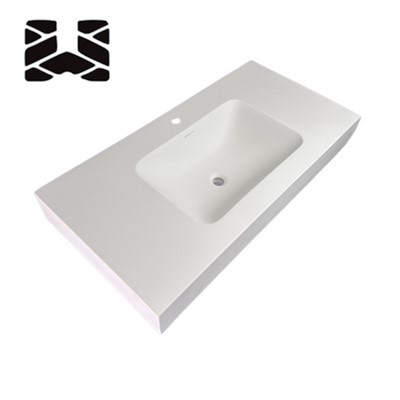
Engineered Stone Countertops: Engineered stone, also known as quartz, is a man-made product consisting of approximately 90-95% crushed natural quartz crystals mixed with resins, polymers, and pigments. The engineered process allows for a more uniform appearance.
Appearance And Variation
Engineered Stone Countertops: Engineered stone offers a more consistent appearance since it is manufactured using a controlled process. While it can mimic the look of natural stone, engineered stone countertops lack the natural variations found in quarried slabs.
Durability
Engineered Stone Countertops: Engineered stone is designed to be extremely durable and resistant to scratches and stains. The resins used in its composition enhance its strength, making it a popular choice for high-traffic areas.
Maintenance
Engineered Stone Countertops: Engineered stone is generally low-maintenance. Its non-porous surface makes it resistant to stains, and it does not require regular sealing. Cleaning with mild soap and water is usually sufficient.
Installation Considerations
Engineered Stone Countertops: Engineered stone is typically lighter than natural stone, making it easier to handle during installation. Its uniformity in size and thickness can contribute to a smoother and more predictable installation process.
Design Flexibility
Engineered Stone Countertops: Engineered stone provides a wide range of color options and patterns, offering more design flexibility. Additionally, the manufacturing process allows for consistency in appearance across different slabs.
Things to Note When Using Bathroom Countertop
Using a bathroom countertop involves daily routines and activities, and there are several things to note to ensure its longevity, cleanliness, and overall functionality. Here are important considerations:
Avoid Harsh Chemicals
Refrain from using harsh or abrasive cleaners on the countertop, especially if it's made of natural stone or other sensitive materials. Acidic or abrasive substances can damage the surface over time.
Promptly Wipe Spills
Wipe up spills and splashes promptly to prevent staining, especially on materials like marble or wood. This is particularly important for substances like hair dyes, perfumes, and toothpaste that can cause discoloration.
Use Cutting Boards And Trivets
Place cutting boards under toiletry items and use trivets for hot styling tools to protect the countertop from scratches and heat damage.
Regular Cleaning
Clean the countertop regularly with mild soap or a pH-balanced cleaner. This helps remove everyday dirt and prevents the buildup of residue.
Sealing
If the countertop is made of materials like natural stone that require sealing, follow the manufacturer's recommendations for regular sealing to protect against stains and moisture.
Prevent Scratches
Avoid dragging sharp or abrasive objects across the countertop surface to prevent scratches. Use soft cloths or sponges for cleaning.
Be Mindful Of Weight
While bathroom countertops are designed to support typical daily items, avoid placing excessively heavy objects on them to prevent potential damage.
Dry The Surface
After cleaning or if water is spilled, dry the countertop surface promptly. This is crucial for materials like wood or any that are prone to water damage.
Use Coasters
Place coasters under items like toothbrush holders and soap dispensers to prevent water and soap residue from directly contacting the countertop surface.
Regular Inspection
Periodically inspect the countertop for any signs of damage, such as cracks, stains, or water damage. Address any issues promptly to prevent them from worsening.
Ventilation
Ensure proper bathroom ventilation to minimize humidity, which can be detrimental to certain countertop materials over time.
How to Replace the Bathroom Countertop
Remove Existing Countertop
Clear the area around the countertop, removing all items from the vanity.Disconnect and cap off any plumbing lines connected to faucets or other fixtures.If the old countertop is heavy, enlist help for this step to avoid injury.Remove the sink and any other fixtures attached to the old countertop.Carefully remove the old countertop from the vanity, being cautious not to damage the surrounding cabinetry.
Prepare The Vanity
Clean the top surface of the vanity where the new countertop will be placed.Ensure the vanity is level and structurally sound. Make any necessary repairs.Measure for any support braces needed to reinforce the vanity for the new countertop weight.
Purchase The New Countertop
Choose a material suitable for your needs and budget, considering durability, maintenance, and style.Measure the dimensions of your bathroom vanity accurately to order a countertop that fits perfectly.Consider professional fabrication and installation if you're working with materials like natural stone, which require precise cutting and edging.
Install Support Braces
If the new countertop is significantly heavier than the old one, install additional support braces to prevent the vanity from sagging in the middle.
Position The New Countertop
Carefully lift the new countertop into place on top of the vanity.Double-check that it is centered and level in all directions.
Secure The Countertop
Depending on the weight and material of the countertop, secure it to the vanity using clips, brackets, or adhesive.For lighter materials, construction adhesive along the vanity edges may be sufficient.For heavier materials like granite or concrete, mechanical clamps or bolts may be required for added stability.
Reconnect Fixtures
Reinstall the sink(s) and any other fixtures according to the instructions.Reconnect the plumbing and ensure there are no leaks.
Sealant And Caulk
Seal the seams between the countertop and the vanity with a bead of silicone caulk to prevent water damage.Let the caulk dry completely before using the sink or exposing the area to water.
Final Touches
Clean up the work area, ensuring all debris is removed.Reattach any trim pieces that were removed during disassembly.Replace items on the vanity and consider upgrading hardware for a fresh look.
Choose The Right Sealant
Begin by selecting a high-quality sealant suitable for the specific material of your bathroom countertop. Different countertop materials, such as granite, marble, or quartz, may require different types of sealants.
Perform A Water Absorption Test
Before applying the sealant, conduct a water absorption test to determine if your countertop needs sealing. Place a few drops of water on the surface and observe. If the water beads up and does not absorb, your countertop may not need immediate sealing. If it absorbs, it's time to seal the surface.
Thoroughly Clean The Countertop
Clean the countertop surface thoroughly before applying the sealant. Use a gentle, pH-balanced cleaner to remove any dirt, soap scum, or residues. Allow the countertop to dry completely before proceeding with the sealing process.
Choose The Right Time To Seal
Select an appropriate time for sealing when the bathroom is not in heavy use. Ensure proper ventilation to allow the sealant fumes to dissipate. Follow the recommendations regarding temperature and humidity conditions for optimal sealing.
Apply the sealant evenly
When applying the sealant, use a clean, lint-free cloth or applicator. Apply the sealant evenly across the entire surface of the countertop. Pay extra attention to seams, edges, and areas around sinks or fixtures. Avoid over-application, as excess sealant may leave a residue.
Perform regular maintenance checks
Regularly inspect the countertop surface for signs of wear or damage to the sealant. Common indicators include water absorption, stains, or a change in the appearance of the surface. Promptly address any issues by reapplying the sealant as needed.
Reapply sealant as necessary
Sealants have a finite lifespan, and their effectiveness diminishes over time. Monitor the condition of your bathroom countertop and reapply the sealant according to the recommendations. This proactive approach helps maintain optimal protection against potential damage.
Our Factory
We always firmly believe that communication is the key to success. Therefore, we always maintain close contact and communication with customers, pay attention to customer needs and expectations, and ensure that every project can meet customer requirements and satisfaction.At the same time, during the construction process, we pay great attention to safety and environmental protection to ensure the safety and cleanliness of the construction site. In addition, we also provide customers with excellent after-sales service to protect the interests and rights of customers.


FAQ
Q: What are the most popular materials for bathroom countertops?
Q: How do I clean my bathroom countertop?
Q: Can I use vinegar to clean my bathroom countertop?
Q: How do I remove stains from my bathroom countertop?
Q: How often should I seal my bathroom countertop?
Q: What is the difference between granite and quartz countertops?
Q: Are marble countertops suitable for bathrooms?
Q: How can I repair scratches on my bathroom countertop?
Q: Can I install a bathroom countertop myself?
Q: What's the difference between a drop-in sink and an undermount sink?
Q: How do I choose the right edge profile for my countertop?
Q: How do I maintain a laminate countertop?
Q: Can I paint my bathroom countertop?
Q: How can I prevent water damage to my bathroom countertop?
Q: How do I care for a natural stone countertop?
Q: Which countertop is best for bathroom?
Q: How do I remove scratches from a glass countertop?
Q: What type of countertop is most affordable?
Q: Does the color of my countertop affect its maintenance?
Q: Can I change the shape or layout of my bathroom vanity without replacing the countertop?