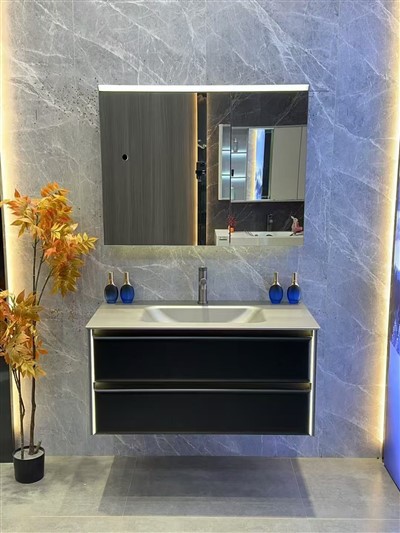


Bathroom slate countertops are a stylish and durable choice for enhancing the aesthetic appeal of your bathroom space. Slate, a metamorphic rock characterized by its fine-grained texture and distinct layered appearance, brings a natural and earthy feel to your countertop design. Its unique color variations, ranging from deep charcoal to rich shades of green, blue, and rust, offer versatility in matching various bathroom color schemes.One of the notable features of slate is its resilience, making it an ideal material for countertops that are exposed to moisture and daily wear. The impermeable nature of slate makes it highly resistant to water damage and staining, ensuring longevity and ease of maintenance. Additionally, its heat-resistant properties make it suitable for placement near hot styling tools in the bathroom.
Advantages of Bathroom Slate Countertops
Durability
Slate is renowned for its durability and resistance to wear and tear, making it an excellent choice for high-traffic areas like bathrooms. Its robust nature ensures longevity and minimizes the need for frequent replacements.
Water Resistance
Slate's natural impermeability makes it highly resistant to water damage, a crucial feature for bathroom countertops exposed to constant moisture. This quality prevents the growth of mold and mildew, maintaining a hygienic environment.
Stain Resistance
The dense composition of slate makes it resistant to stains from common bathroom products. This ease of maintenance is particularly advantageous in a space where spills and splashes are commonplace, ensuring a pristine appearance over time.
Heat Resistance
Slate countertops are heat-resistant, providing a safe and durable surface for placement near hot styling tools or in areas prone to temperature fluctuations. This feature enhances both the functionality and safety of the bathroom space.
-
![Wall-mounted Slate Bathroom Countertop]() Wall-mounted Slate Bathroom CountertopBrand: Leviview more
Wall-mounted Slate Bathroom CountertopBrand: Leviview more
Material: Slate/Sintered Stone
Color: Ice silk sapphire
Certificate: 3C,CE,IOS,SASO,GCC,CUPC
Warranty: 5 years
Customization Services: OEM or ODM -
![Bathroom Slate Countertop In Independent]() Bathroom Slate Countertop In IndependentBrand: Leviview more
Bathroom Slate Countertop In IndependentBrand: Leviview more
Material: Slate/Sintered Stone
Color: Brown
Certificate: 3C,CE,IOS,SASO,GCC,CUPC
Warranty: 5 years
Customization Services: OEM or ODM -
![Full Body Bathroom Slate Countertop]() Full Body Bathroom Slate CountertopProduct name: Full body bathroom slate countertopview more
Full Body Bathroom Slate CountertopProduct name: Full body bathroom slate countertopview more
Listing: A Full Body Bathroom Slate Countertop
Color: sesame gray
Material: slate + ceramic -
![Bathroom Slate Oval Basin Countertop]() Bathroom Slate Oval Basin CountertopProduct name: Bathroom slate oval basin countertopview more
Bathroom Slate Oval Basin CountertopProduct name: Bathroom slate oval basin countertopview more
Listing: Set of Bathroom slate oval basin countertop
Color: Jingya Brown
Material: slate+ceramic -
![Glossy Bathroom Slate Countertops]() Glossy Bathroom Slate CountertopsProduct name: Armani gray bathroom slate countertopsview more
Glossy Bathroom Slate CountertopsProduct name: Armani gray bathroom slate countertopsview more
List: One set of Armani gray bathroom slate countertops, one Armani gray water strip
Color: Armani gray
Material: Slate + Ceramics -
![Black Bathroom Slate Countertops]() Black Bathroom Slate CountertopsProduct name: Kosla gray bathroom slate countertopsview more
Black Bathroom Slate CountertopsProduct name: Kosla gray bathroom slate countertopsview more
List: One set of Kosla Gray bathroom slate countertops, one Kosla Gray water strip
Color: Kosla gray
Material: Slate + Ceramics -
![High Temperature Resistant Bathroom Slate Countertops]() High Temperature Resistant Bathroom Slate CountertopsProduct name: Gilt time-colored bathroom slate countertopsview more
High Temperature Resistant Bathroom Slate CountertopsProduct name: Gilt time-colored bathroom slate countertopsview more
List: A set of gilt time-color bathroom slate countertops, a gilt time-color water retaining strip
Color: Gilded time color
Material: Slate + Ceramics -
![Small Black Bathroom Slate Countertop]() Small Black Bathroom Slate CountertopProduct name: Small black bathroom slate countertopview more
Small Black Bathroom Slate CountertopProduct name: Small black bathroom slate countertopview more
Listing: Set of Small black bathroom slate countertop
Color: black gold
Material: slate + ceramic -
![White Bathroom Slate Countertops]() White Bathroom Slate CountertopsProduct name: Maw White Concealed Waste Double Basin Bathroom Counterview more
White Bathroom Slate CountertopsProduct name: Maw White Concealed Waste Double Basin Bathroom Counterview more
List: A set of fish maw white hidden drain double basin bathroom counter, a fish maw white water retaining strip, hidden drain*2
Color: fish maw... -
![Contemporary Bathroom Slate Countertops]() Contemporary Bathroom Slate CountertopsProduct name: Hanjiang snow white bathroom slate countertopsview more
Contemporary Bathroom Slate CountertopsProduct name: Hanjiang snow white bathroom slate countertopsview more
List: A set of Hanjiang snow white bathroom rock slab countertops, a pair of Hanjiang snow white water retaining strips
Color: Kosla gray
Material: Slate... -
![Easy-to-clean Bathroom Slate Countertops]() Easy-to-clean Bathroom Slate CountertopsProduct name: Slate gray bathroom slate countertopsview more
Easy-to-clean Bathroom Slate CountertopsProduct name: Slate gray bathroom slate countertopsview more
List: A set of slate gray bathroom slate countertops, a slate gray water strip
Color: rock gray
Material: Slate + Ceramics -
![Single Sink Bathroom Slate Countertops]() Single Sink Bathroom Slate CountertopsProduct name: Caskin wood bathroom slate countertopsview more
Single Sink Bathroom Slate CountertopsProduct name: Caskin wood bathroom slate countertopsview more
List: A set of Caskin wood color bathroom slate countertops, a Caskin wood color water retaining strip
Color: Slate
Material: Slate + Ceramics


Why Choose Us
Professional Team
We specialize in bathroom products, seeking the perfect blend of quality, comfort, and aesthetics. With 14 years of experience, we have accumulated rich expertise in creating unique spaces for our clients.
Rich Experience
Our professional team and innovative design concepts allow us to offer comprehensive bathroom solutions. Whether it's home renovations or commercial space design, we prioritize our clients' needs. Through personalized design and high-quality products, we aim to create the perfect space that meets and exceeds our clients' expectations.
Our Service
We always maintain close contact and communication with customers, pay attention to customer needs and expectations, and ensure that every project can meet customer requirements and satisfaction.
Advanced Equipment
The bathroom cabinet workshop has 2 automatic loading and unloading processing centers, 1 edge banding machine, 1 automatic row turning machine, and 1 side hole machine!
Types of Bathroom Slate Countertops
Bathroom slate countertops come in various types, each characterized by distinct features and aesthetic qualities. Here are some common types of bathroom slate countertops:
Solid Slate Countertops
Solid slate countertops are crafted from a single, continuous slab of slate. This type showcases the natural beauty of the stone with minimal seams, providing a seamless and sophisticated look. Solid slate countertops are known for their durability and timeless appeal.
Slate Tile Countertops
Slate tiles are another popular option for bathroom countertops. These countertops are constructed by assembling individual slate tiles into a cohesive surface. This allows for more design flexibility, as homeowners can choose different tile sizes, patterns, and colors to create a customized look.
Honed Slate Countertops
Honed slate countertops have a matte or satin finish achieved through the process of honing, which involves grinding the surface to create a smooth and flat appearance. This finish gives the countertop a more understated and natural look, emphasizing the stone's texture and color variations.
Polished Slate Countertops
Polished slate countertops undergo a process of polishing to achieve a glossy and reflective surface. This finish enhances the natural colors of the slate, providing a sophisticated and modern appearance. Polished slate countertops are also easier to clean due to their smooth surface.
Textured Slate Countertops
Textured slate countertops retain the natural roughness and uneven surfaces of the stone, adding a tactile dimension to the countertop. This type of finish not only enhances the aesthetic appeal but also provides a non-slip surface, making it a practical choice for bathrooms.
Multi-color Slate Countertops
Slate is known for its rich and varied color palette. Multi-color slate countertops incorporate different hues within the same stone, creating a visually dynamic and textured appearance. This type of countertop can add depth and interest to the bathroom space.

How to Choose Bathroom Slate Countertops
Color And Pattern
Color variations and patterns available in slate. Slate comes in a diverse range of hues, including grays, greens, blues, and rust tones. Consider the overall color scheme of your bathroom and choose a slate countertop that complements or contrasts effectively.
Finish
Slate countertops can have different finishes, such as honed, polished, or textured. Decide on the finish based on your desired aesthetic and practical considerations. Honed finishes provide a more matte appearance, while polished finishes offer a glossy surface. Textured finishes enhance the tactile appeal.
Size And Thickness
Determine the size and thickness of the slate slabs or tiles based on your bathroom's dimensions and the countertop layout. Consider the visual impact of larger or smaller tiles, as well as the thickness that suits your design preferences.
Sealing Requirements
Slate is a natural stone that may require sealing to enhance its resistance to stains and moisture. Inquire about the specific sealing requirements of the slate you choose and factor this into your maintenance considerations.
Durability
Assess the durability of the slate variety you are considering. Slate is generally durable, but some varieties may be softer than others. Consider the likelihood of heavy use and potential exposure to sharp objects or abrasive materials in the bathroom.
Maintenance
Consider the level of maintenance you are willing to undertake. While slate is relatively low-maintenance, certain finishes may require more care than others. Understand the cleaning and sealing routines recommended for the specific type of slate you choose.
Design Style
Consider your overall bathroom design style. Whether your bathroom has a modern, traditional, rustic, or eclectic aesthetic, choose a slate countertop that complements the existing design elements and contributes to the cohesive look of the space.
Personal Preferences
Choose a slate countertop that resonates with your personal preferences and style. Whether you prefer a sleek, polished look or a more natural, textured appearance, selecting a countertop that aligns with your taste will enhance your overall satisfaction with the choice.

Bathroom slate countertops are primarily crafted from slate, which is a metamorphic rock derived from the sedimentary rock shale. Slate is known for its fine-grained texture, unique layering, and a variety of colors. The material is naturally formed through the alteration of shale by heat and pressure, resulting in a durable and aesthetically pleasing stone.
Slate countertops can be made in various forms, including solid slabs, tiles, or custom patterns, depending on the design preferences and requirements of the user. The choice of slate for bathroom countertops is driven by its inherent characteristics that make it suitable for this specific application. Some key features of slate as a countertop material include:
Durability: Slate is a durable natural stone that can withstand the daily wear and tear common in bathroom settings. Its resistance to chipping and scratching makes it well-suited for countertops exposed to various activities.
Water Resistance: Slate is naturally impermeable, making it highly resistant to water absorption. This quality is essential for bathroom countertops, as they are often exposed to water splashes, spills, and high humidity.
Stain Resistance: The dense composition of slate makes it resistant to stains, providing ease of maintenance in a space prone to exposure to cosmetics, toiletries, and other potentially staining substances.
Heat Resistance: Slate has excellent heat-resistant properties, making it suitable for use in bathrooms where hot styling tools may be placed on the countertop surface.
Aesthetic Appeal: The natural beauty of slate, with its rich color variations and textured surface, adds an element of sophistication and elegance to bathroom spaces. Slate's aesthetic versatility allows it to complement various design styles.
Tactile Texture: Slate countertops can have a textured surface, adding a tactile dimension to the material. This not only enhances the aesthetic appeal but also provides a non-slip surface, contributing to safety in the bathroom.
The Manufacturing Process of Bathroom Slate Countertops
The manufacturing process of bathroom slate countertops involves several key steps to transform raw slate into finished and functional countertop. Here is an overview of the typical manufacturing process:
Extraction Of Slate
The process begins with the extraction of slate from quarries. Large blocks of slate are cut from the earth using diamond-tipped saws or drilling equipment. The blocks are then transported to the manufacturing facility.
Slicing And Sorting
At the manufacturing facility, the slate blocks undergo slicing to create thin sheets. These sheets are sorted based on color, thickness, and other characteristics to ensure uniformity in the final product.
Surface Treatment
The slate sheets may undergo surface treatments to enhance their durability and appearance. This can include processes such as honing, polishing, or applying sealants to protect against moisture and stains.
Cutting And Shaping
The sheets are cut into the desired countertop shapes and sizes using precision cutting tools. This step involves creating cutouts for sinks, faucets, and other fixtures according to the design specifications.
Edge Profiling
The edges of the slate countertops are profiled or shaped to achieve the desired look. Common edge profiles include straight, beveled, rounded, or custom designs based on customer preferences.
Assembly And Sealing
If the countertop consists of multiple pieces, they are assembled into the final configuration. Sealing is often applied to protect the slate surface from water absorption and stains. The type of sealant used may vary based on the specific requirements and finish desired.
Quality Control
Each countertop undergoes rigorous quality control checks to ensure that it meets the manufacturer's standards for appearance, thickness, and structural integrity. Any imperfections or defects are addressed during this stage.
Packaging And Shipping
Once the quality control checks are complete, the finished slate countertops are carefully packaged for shipping. Proper packaging helps prevent damage during transportation and ensures that the countertops reach their destination in optimal condition.
Installation
The final step involves delivering the slate countertops to the end-users or construction site for installation. Professional installers will secure the countertops in place, connect plumbing fixtures, and ensure a proper fit.
How Does the Heat Resistance of Slate Make It Suitable for Bathroom Environments
Stable Under Temperature Changes
Slate is a natural metamorphic rock that undergoes intense heat and pressure during its formation. This process results in a stone with a high level of thermal stability. It can withstand fluctuations in temperature, making it resistant to cracking or warping due to exposure to heat.
Resistant To Thermal Shock
Slate's composition allows it to resist thermal shock, which occurs when a material is subjected to rapid temperature changes. In a bathroom setting, where hot water and heated styling tools are commonly used, slate countertops can endure sudden temperature variations without suffering damage.
Safe For Hot Objects
Slate countertops provide a safe surface for placing hot objects such as hair styling tools or heated bathroom accessories. Its heat-resistant properties prevent the material from becoming damaged or discolored when in direct contact with items that emit heat.
Ideal For Bathrooms With Heated Flooring
Many modern bathrooms incorporate heated flooring systems. Slate's ability to handle elevated temperatures makes it compatible with such setups, ensuring that the countertop remains structurally sound and aesthetically pleasing.
Reduced Risk Of Fire Hazards
Slate's resistance to high temperatures reduces the risk of fire hazards in the bathroom. This is particularly important when considering the use of candles, heated appliances, or other items that could potentially cause heat-related issues with less heat-resistant materials.
Longevity In High-heat Environments
The heat resistance of slate contributes to the overall longevity of bathroom countertops. It helps maintain the structural integrity of the material over time, ensuring that the countertop remains functional and visually appealing despite prolonged exposure to heat.
Versatility In Bathroom Design
The ability of slate to withstand heat expands the design possibilities for bathroom spaces. Can confidently incorporate features like built-in heating elements, hot water systems, or heated towel racks without concerns about the impact on the slate countertop.

How to Install Bathroom Slate Countertops
Measure Accurately
Begin by measuring your bathroom vanity area to determine the dimensions of the slate slab you will need. Include overhang if desired, and remember that slate is heavy, so ensure your existing vanity can support the weight without compromising its integrity. Leave an additional inch or two for trimming to size.
Choose The Right Profile
Decide on the edge profile you prefer for your slate countertop. Options include bullnose, beveled, or chiseled edges. This decision is a matter of personal taste and should complement the overall style of your bathroom.
Select Your Slate
When selecting your slate slab, consider the natural variations in color and texture that make each piece unique. Choose a piece that fits your measured dimensions, allowing for some adjustment during installation.
Prepare The Surface
Before installing the slate, ensure that the surface of your vanity is clean, level, and free from any dust or debris. Use a leveling compound to create a smooth and even base if necessary.
Installation
Carefully lift the slate onto the vanity, using proper lifting techniques and ideally with a helper. If your slate has a pre-drilled hole for a sink, align it carefully. Use construction adhesive to secure the slate to the vanity, applying even pressure across the entire surface to ensure good contact.
Sealer Application
Once the slate is in place, allow the adhesive to dry completely according to the manufacturer's instructions. Then apply a quality sealer to protect the slate against water damage and stains. Ensure even coverage and follow the sealer’s specific curing time before use.
Seam And Edge Caulking
If your project involves joining multiple pieces of slate, use an appropriate color-matching caulk to seal the seams. Seal the edges as well to prevent water damage where the slate meets the wall.
Final Touches
After all sealants and caulk have cured, install the sink and any other fixtures. Clean the slate surface with a soft cloth and mild soap, avoiding harsh chemicals that could affect the sealer or finish.

Things to Note When Using Bathroom Slate Countertops
Sealing: Depending on the type of slate used, consider whether sealing is necessary. Some slate varieties may benefit from a penetrating sealer to enhance stain resistance and overall durability.
Cleaning Products: Use pH-neutral or slate-specific cleaners to maintain the natural beauty of the stone. Avoid acidic or abrasive cleaners, as they can damage the surface and affect the appearance of the slate over time.
Avoid Harsh Chemicals: Steer clear of harsh chemicals, such as bleach or ammonia, as they can harm the slate surface. Opt for mild and slate-friendly cleaning solutions to ensure the longevity of the countertop.
Temperature Considerations: Although slate is heat-resistant, it's recommended to use trivets or hot pads under hot cookware or styling tools to minimize the risk of thermal shock and maintain the appearance of the countertop.
Regular Maintenance: Periodically clean and reseal the slate countertop as needed. This helps protect against stains and keeps the surface looking fresh.
Avoid Impact And Heavy Objects: While slate is durable, heavy impact or the dropping of heavy objects can cause chipping or cracking. Take care when handling heavy items around the countertop to prevent damage.
Grout Lines: Keep grout lines clean by regularly cleaning and sealing them. This helps prevent the growth of mold and mildew in the porous grout material.
Tactile Surface: If the slate countertop has a textured surface, be aware that it may be more challenging to clean than a smooth surface. Pay extra attention to cleaning textured areas to maintain both hygiene and appearance.
Preventing Water Stagnation: Ensure proper drainage around sinks and faucets to prevent water from pooling on the countertop. This helps prevent water-related issues and maintains the integrity of the slate.
Slate Slabs Or Tiles
The primary material of the countertop is slate, which is a natural metamorphic rock. Slate slabs or tiles form the visible surface of the countertop, providing its distinct color, texture, and overall aesthetic.
Substrate/base
The substrate or base provides the foundational support for the slate. It is usually made of plywood or backer board and is installed on top of the cabinet or vanity structure. The substrate needs to be stable, level, and resistant to moisture.
Thin-set Mortar
Thin-set mortar is used to adhere the slate slabs or tiles to the substrate. It is a cementitious adhesive that ensures a strong bond between the slate and the base, creating a stable and durable countertop.
Grout
Grout is used to fill the gaps between slate tiles and create a seamless, finished look. It also serves to stabilize the tiles and prevent water penetration. Grout comes in various colors, allowing for customization of the countertop's appearance.
Sealer
Depending on the type of slate used, a penetrating sealer may be applied to enhance stain resistance and protect the surface. Sealing is particularly important if the slate is porous or susceptible to absorbing liquids.
Edge trim
Edge trim or bullnose tiles may be used to finish the exposed edges of the countertop. This not only provides a polished appearance but also helps protect the edges from chipping or damage.
Caulk
Caulk is applied in areas where the countertop meets walls, backsplashes, or sinks. It seals gaps, preventing water infiltration and enhancing the overall waterproofing of the installation.
Cleaning and maintenance products
Various cleaning and maintenance products, such as PH-neutral or slate-specific cleaners, may be used to keep the countertop in optimal condition. These products help preserve the natural beauty of the slate.
Support brackets
In cases where the countertop extends over an open space without cabinetry support, support brackets may be used to ensure the structural integrity of the slate surface.
Fasteners and screws
Fasteners and screws are used to secure the substrate to the cabinet or vanity structure. These play a crucial role in stabilizing the overall countertop assembly.
How to Maintain Bathroom Slate Countertops
Clean Regularly
Wipe down the countertop regularly with a soft, damp cloth or sponge to remove dust, debris, and everyday grime. Avoid using acidic or abrasive cleaners, as they can damage the surface of the slate.
Use Ph-neutral Cleaners
When needed, clean the slate with a pH-neutral or slate-specific cleaner. These products are designed to clean the surface without causing harm or leaving residue.
Avoid Harsh Chemicals
Steer clear of harsh cleaning chemicals, such as bleach or ammonia, as they can damage the slate surface. Stick to mild and slate-friendly cleaning solutions.
Clean Spills Promptly
Wipe up spills promptly to prevent potential staining. Slate is relatively stain-resistant, but certain substances, if left for an extended period, may penetrate the surface.
Seal The Slate
Depending on the type of slate used, apply a penetrating sealer as recommended by the . Sealing helps enhance stain resistance and protects the slate from moisture absorption.
Reapply Sealer As Needed
Periodically check the effectiveness of the sealer by placing a few drops of water on the surface. If the water beads up, the sealer is still effective. If it doesn't, it may be time to reapply the sealer.
Use Trivets And Hot Pads
Place trivets or hot pads under hot cookware, styling tools, or other heated objects to prevent thermal shock. While slate is heat-resistant, prolonged exposure to extreme heat can affect its appearance.
Avoid Scratching
Although slate is resistant to scratches, use cutting boards when preparing food, and avoid dragging heavy or sharp objects across the surface to prevent potential damage.
Regularly Inspect For Damage
Periodically inspect the slate countertop for any signs of damage, such as chips or cracks. Address any issues promptly to prevent further deterioration.
Keep Grout Clean
If your slate countertop has grout lines, keep them clean and well-sealed to prevent the growth of mold or mildew. Regularly clean and reseal the grout as needed.
Prevent Water Stagnation
Ensure proper drainage around sinks and faucets to prevent water from pooling on the countertop. This helps prevent water-related issues and maintains the integrity of the slate.
What Are the Environmental Considerations Associated with Using Slate for Bathroom Countertops
Slate is a natural stone that is quarried from the earth. It is abundant and occurs naturally, making it a renewable resource. The extraction process involves cutting slate from quarries without the need for energy-intensive manufacturing.
Slate is a durable material that can last for many years with proper care. Its longevity reduces the need for frequent replacements, contributing to a reduction in overall resource consumption and waste.
Slate countertops are recyclable. When a slate countertop reaches the end of its life, the material can be repurposed or recycled for other construction or landscaping applications.
Slate requires minimal maintenance, reducing the need for environmentally impactful cleaning products and procedures. This low-maintenance characteristic aligns with sustainable practices.
Slate's extraction and processing generally require less energy compared to some other countertop materials. Additionally, the material's ability to retain and radiate heat can contribute to energy efficiency in buildings.
Our Factory
We always firmly believe that communication is the key to success. Therefore, we always maintain close contact and communication with customers, pay attention to customer needs and expectations, and ensure that every project can meet customer requirements and satisfaction.At the same time, during the construction process, we pay great attention to safety and environmental protection to ensure the safety and cleanliness of the construction site. In addition, we also provide customers with excellent after-sales service to protect the interests and rights of customers.


FAQ
Q: What are the advantages of slate for bathroom countertops?
Q: Can slate countertops be installed in any bathroom?
Q: How should I clean my slate countertop?
Q: How often do slate countertops need to be sealed?
Q: Do slate countertops require special care compared to other materials?
Q: What are the different edge finishes available for slate countertops?
Q: How do I repair chips or cracks in slate countertops?
Q: Can I install slate countertops myself?
Q: Are slate countertops cold to the touch?
Q: How long do slate countertops typically last?
Q: Can I use lemon juice or vinegar to clean my slate countertop?
Q: How do I know if my slate countertop needs to be resealed?
Q: What color options are available for slate countertops?
Q: How thick should slate countertops be?
Q: What is the difference between natural slate and synthetic slate?
Q: Do slate countertops need to be sealed?
Q: How do I remove stains from slate countertops?
Q: Can slate countertops be recycled?
Q: Are slate countertops susceptible to mold and mildew growth?
Q: Why is my slate turning white?
Hangzhou Liwei Decoration Co., Ltd. is one of the leading bathroom slate countertops manufacturers and suppliers in China. We warmly welcome you to wholesale high-grade bathroom slate countertops from our factory. All our products are with high quality and competitive price.
Black Bathroom Slate Countertops, Bathroom Slate Countertop In Independent, Small Black Bathroom Slate Countertop