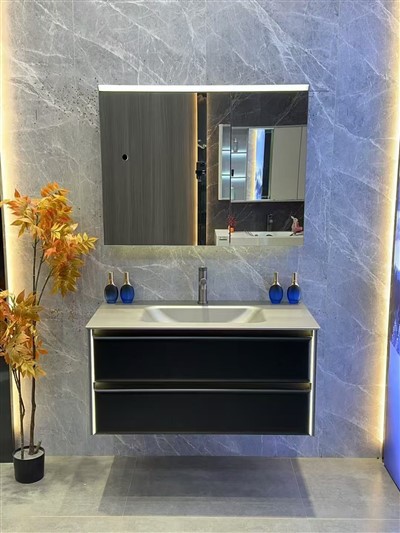


Bathroom marble countertops are exquisite elements that bring a touch of sophistication and timeless beauty to bathroom spaces. Renowned for their luxurious appearance, these countertops are crafted from natural marble, showcasing unique veining and color variations that contribute to their distinctive charm. The use of marble in bathroom design not only elevates the overall aesthetic but also adds an element of opulence and refinement. Beyond their visual appeal, marble countertops offer durability and longevity, making them a practical choice for a high-traffic area like the bathroom. The smooth and cool surface of marble provides a delightful tactile experience, while the material's inherent resistance to heat and moisture ensures longevity and ease of maintenance. Whether paired with contemporary or traditional bathroom designs, marble countertops stand as a testament to elegance and craftsmanship, creating a harmonious blend of functionality and aesthetic appeal in any bathroom setting.
Advantages of Bathroom Marble Countertops
Easy To Clean And Maintain
Although marble requires regular sealing to prevent staining and etching, it is relatively easy to clean with the right products. Using a soft cloth and a mild, non-acidic soap will keep your marble countertop looking new. It is essential to avoid harsh chemicals that could damage the surface.
Durability And Longevity
Despite being a softer stone compared to granite or quartzite, marble is still quite durable and can withstand the wear and tear of daily use in a bathroom environment. When properly sealed and maintained, marble countertops can last for decades, making them a worthwhile investment for your home.
Heat Resistant
Marble is heat-resistant, allowing you to place hot items directly on the countertop without worry of damage. This makes it an excellent choice for those who frequently use hot styling tools or want to move fresh-out-of-the-oven items onto their countertop.
Versatile Color Palette
Marble comes in a wide range of colors and variations, from classic white and black to vibrant shades of green, blue, and even pink. This versatility allows you to select a marble countertop that complements your bathroom's existing color scheme and design elements.
-
![Carrara White Bathroom Marble Countertop Basin]() Carrara White Bathroom Marble Countertop BasinName: Carrara white bathroom marble countertop basinview more
Carrara White Bathroom Marble Countertop BasinName: Carrara white bathroom marble countertop basinview more
color: Carrara white
Size: 900*530*150MM -
![Bathroom Carrara White Marble Countertops]() Bathroom Carrara White Marble CountertopsProduct name: Bathroom carrara white marble countertopsview more
Bathroom Carrara White Marble CountertopsProduct name: Bathroom carrara white marble countertopsview more
List: Bathroom carrara white marble countertop set
Color: Carrara White
Material: marble+ceramic -
![Bathroom Platinum Diamond Marble Countertop]() Bathroom Platinum Diamond Marble CountertopProduct Name: Bathroom Platinum Diamond Marble Countertopview more
Bathroom Platinum Diamond Marble CountertopProduct Name: Bathroom Platinum Diamond Marble Countertopview more
Listing: Bathroom Platinum Diamond Marble Countertop × 1
Color: dark brown, earth color
Material: natural luxury stone -
![Bathroom Luxury Marble Countertops]() Bathroom Luxury Marble CountertopsProduct name: Bathroom luxury marble countertopsview more
Bathroom Luxury Marble CountertopsProduct name: Bathroom luxury marble countertopsview more
List: Bathroom luxury marble countertop set
Color: Snow Mountain Flying Fox
Material: marble+ceramic -
![Bathroom Natural Marble Countertops]() Bathroom Natural Marble CountertopsProduct Name: Bathroom Natural Marble Countertopview more
Bathroom Natural Marble CountertopsProduct Name: Bathroom Natural Marble Countertopview more
Inventory: A set of natural marble countertops for bathroom
Color: Bristle White
Material: natural marble + ceramic


Why Choose Us
Professional Team
We specialize in bathroom products, seeking the perfect blend of quality, comfort, and aesthetics. With 14 years of experience, we have accumulated rich expertise in creating unique spaces for our clients.
Rich Experience
Our professional team and innovative design concepts allow us to offer comprehensive bathroom solutions. Whether it's home renovations or commercial space design, we prioritize our clients' needs. Through personalized design and high-quality products, we aim to create the perfect space that meets and exceeds our clients' expectations.
Our Service
We always maintain close contact and communication with customers, pay attention to customer needs and expectations, and ensure that every project can meet customer requirements and satisfaction.
Advanced Equipment
The bathroom cabinet workshop has 2 automatic loading and unloading processing centers, 1 edge banding machine, 1 automatic row turning machine, and 1 side hole machine!
Types of Bathroom Marble Countertops
Carrara marble
Carrara marble is one of the most well-known and widely used types. It features a white or light gray background with soft, feathery veining. This classic choice exudes a timeless elegance and works well with various bathroom styles.
Calacatta marble
Calacatta marble is prized for its high-quality and luxurious appearance. It typically has a white background with bold, dramatic veining in shades of gray and gold. This type of marble adds a touch of opulence to any bathroom.
Statuario marble
Similar to Carrara and Calacatta, Statuario marble also has a white background but with more defined, bolder veining. It is often characterized by its striking and dramatic appearance, making it a focal point in bathroom design.
Emperador marble
Emperador marble comes in various shades of brown, ranging from light to dark. It often features distinctive veining and can add warmth and richness to bathroom spaces. This type of marble is well-suited for creating a cozy and inviting atmosphere.
Nero marquina marble
For those seeking a darker and more dramatic option, Nero Marquina marble, with its black background and striking white veining, is an excellent choice. It adds a bold and modern touch to bathroom designs.
Travertine marble
Travertine is a unique form of marble with a more porous appearance. It often comes in warm, earthy tones and provides a textured surface. Travertine marble is ideal for those who appreciate a rustic or natural aesthetic.
Color And Veining
Consider the color scheme of your bathroom. Choose a marble color that complements or contrasts with existing elements like wall color, flooring, and cabinetry.Assess the veining patterns. Some marbles have soft, subtle veins, while others feature bold and dramatic patterns. Choose a style that suits your aesthetic preferences.
Marble Type
Explore different types of marble, such as Carrara, Calacatta, Statuario. Each type has unique characteristics, colors, and veining patterns. Select one that aligns with your desired look and feel.
Finish
Marble countertops come in various finishes, including polished, honed, and leathered. Polished surfaces have a glossy shine, honed surfaces offer a matte finish, and leathered surfaces provide a textured appearance. Consider the aesthetic and practical aspects of each finish to determine the best fit for your bathroom.
Maintenance
Be aware of the maintenance requirements associated with marble. While it is durable, marble is susceptible to staining and etching from acidic substances. Consider whether you are willing to invest time in regular sealing and maintenance to preserve the stone's appearance.
Usage And Functionality
Assess how the bathroom is used. If it's a high-traffic area, durability and resistance to stains and scratches become crucial factors. Some types of marble are more resistant to wear and tear than others.
Design Style
Consider the overall design style of your bathroom. Marble countertops can enhance both traditional and modern aesthetics. Choose a marble type and finish that complements the existing or planned design elements in your bathroom.
How Do Various Finishes Affect the Appearance of Marble Countertops
Appearance: Polished marble has a glossy and reflective surface that enhances the natural colors and veining of the stone.
Texture: The surface is smooth and feels cool to the touch.
Aesthetic Impact: Polishing brings out the full depth and richness of the marble's colors and patterns, making it a popular choice for a luxurious and classic look.
Appearance: Honed marble has a matte or satin finish, providing a softer, more subtle appearance compared to polished marble.
Texture: The surface is smooth but lacks the high-gloss shine of polished marble.
Aesthetic Impact: Honing reduces the reflective quality of the stone, giving it a more relaxed and understated elegance. It's often preferred for a contemporary or casual aesthetic.
Appearance: Leathered marble has a textured, matte surface with a slight sheen, resembling the feel of leather.
Texture: The surface is slightly rougher than honed marble, adding a tactile element.
Aesthetic Impact: Leathering enhances the natural colors and patterns of the marble while providing a unique texture. It's a great choice for those seeking a more natural and organic look.
Appearance: Brushed marble has a weathered or antique appearance, with a textured surface that showcases the stone's natural characteristics.
Texture: Achieved by brushing the surface with diamond-tipped brushes, creating a slightly textured and aged effect.
Aesthetic Impact: Brushing adds character to the marble, giving it a rustic or vintage look. This finish is ideal for those who appreciate a worn-in and lived-in aesthetic.
Appearance: Flamed marble has a rough and textured surface created by exposing the stone to high heat and then cooling it rapidly.
Texture: The surface feels rough and can have a more natural, outdoor-inspired look.
Aesthetic Impact: Flamed finishes are often used for outdoor applications but can also provide a unique and unconventional appearance indoors, adding a touch of rugged beauty.

The choice between a polished or honed finish for your bathroom marble countertops can significantly affect the overall look and feel of your space. Understanding the differences between these two finishes is essential in making a decision that aligns with your design preferences and maintenance tolerances.
Polished Finish: A polished finish is created through a thorough grinding and buffing process that produces a glossy, reflective surface on the marble. This finish brings out the natural beauty of the stone by enhancing its color and veining, making it an excellent choice for those seeking a luxurious and elegant appearance. Polished marble countertops are highly popular for their aesthetic appeal but require more frequent maintenance due to their tendency to show smudges, fingerprints, and water spots. To keep a polished marble countertop looking its best, regular cleaning with specialized marble care products is necessary.
Honed Finish: A honed finish, on the other hand, is achieved by grinding the surface of the marble to a smooth, matte appearance. Unlike the glossy shine of polished marble, honed marble has a subtle, satin-like texture that resists showing smudges and fingerprints as prominently. This finish is ideal for those who prefer a more understated and low-maintenance look. While honed marble can still benefit from regular cleaning, it is less prone to showing every little bit of dirt or watermark, making it a practical choice for busy households.
Primary difference between polished and honed finishes on bathroom marble countertops lies in their reflectivity and maintenance requirements. Polished marble offers a high-shine, mirror-like quality that accentuates the natural beauty of the stone but demands more upkeep. Honed marble presents a smooth, matte surface that is more forgiving of daily wear and tear, making it a more relaxed option for long-term care. Your personal preference and lifestyle should guide your decision on which finish to choose for your bathroom marble countertop.
The Manufacturing Process of Bathroom Marble Countertops
Quarrying
The process begins with the extraction of raw marble blocks from quarries. Quarrying methods may vary, but they generally involve cutting the marble into manageable-sized blocks using wire saws or diamond-tipped chains.
Slab Cutting
At the fabrication facility, the large marble blocks are sliced into slabs of the desired thickness using gang saws or diamond wire saws. These slabs will serve as the raw material for the countertops.
Resin Treatment
In some cases, especially with certain types of marble that may have natural fissures or small pits, the slabs may undergo resin treatment. Resin is applied to the surface to fill any imperfections, enhancing the structural integrity and appearance of the marble.
Template Creation
Template is created based on the dimensions of the bathroom countertops. This template serves as a guide for cutting the marble slabs into the specific shapes required for the countertops.
Cutting And Shaping
Using CNC machines or waterjet cutters, the marble slabs are cut and shaped according to the templates. This includes cutting out sink openings, creating edge profiles, and shaping the countertops to fit the bathroom layout.
Edge Profiling
The edges of the marble countertops are shaped and profiled according to the customer's preference. Common edge profiles include straight, beveled, bullnose, or ogee.
Surface Finishing
The surface of the marble is finished based on the desired look. This can involve polishing for a glossy finish, honing for a matte finish, leathering for a textured appearance, or other finishes depending on customer specifications.
Quality Inspection
The finished marble countertops undergo a thorough quality inspection to ensure they meet the specified dimensions, surface finish, and edge profiles. Any imperfections are addressed during this stage.
Packaging And Transportation
Once quality control is complete, the finished marble countertops are carefully packaged to prevent damage during transportation. They are then shipped to the designated location.
How to Install Bathroom Marble Countertops
Preparation
Ensure that the cabinet or vanity structure is sturdy and level. The base should be capable of supporting the weight of the marble countertops.
Measurement And Template Creation
Accurately measure the dimensions of the bathroom vanity or cabinet to create a template. The template serves as a guide for cutting the marble to the correct size and shape.
Cutting The Marble
Use a wet saw, diamond blade, or waterjet cutter to cut the marble slabs according to the template. Pay attention to sink cutouts, faucet holes, and any other design specifications.
Dry Fit
Before applying any adhesive, perform a dry fit to ensure that the marble countertops align perfectly with the cabinet and other elements in the bathroom. Make any necessary adjustments to achieve a precise fit.
Sealing The Marble
Apply a high-quality stone sealer to the underside and edges of the marble countertops to protect against moisture absorption and potential staining.
Applying Adhesive
Use a recommended adhesive, often a clear silicone or an epoxy formulated for stone, to secure the marble countertops to the cabinet. Apply the adhesive evenly to prevent voids and ensure proper bonding.
Placement And Alignment
Carefully place the marble countertops onto the cabinet, aligning them with the edges and ensuring a flush fit. Make any final adjustments to achieve the desired positioning.
Attaching Sink And Faucet
If not pre-installed, attach the sink and faucet to the marble countertops following the manufacturer's instructions. Ensure a watertight seal around the sink and faucet connections.
Sealing Joints And Edges
Seal any visible joints or seams using a color-matched seam filler. This helps create a seamless appearance and prevents water infiltration.
Final Checks
Double-check the levelness and alignment of the marble countertops. Confirm that the sink and faucet are securely in place and functioning properly.
Cleaning And Polishing
Clean the marble surface thoroughly, removing any adhesive residue or debris. Polish the marble using a recommended marble cleaner to enhance its natural luster.
Applying Final Sealant
Apply a final coat of stone sealer to the entire surface of the marble countertops. This additional layer of protection helps maintain the integrity of the stone over time.
Grouting
If there are gaps between the marble slabs or backsplash, apply a color-matched grout to create a cohesive and finished appearance.

Things to Note When Using Bathroom Marble Countertops
Sealing
Marble is a porous stone, which means it can absorb liquids and become stained or etched. To prevent this, it's crucial to seal your marble countertop at least once a year, and more frequently if it's subject to heavy use. A quality impregnating sealer will help protect against water damage and stains from common bathroom products like soaps and cosmetics.
Cleaning
Clean your marble countertop regularly with a soft cloth and a mild, non-acidic, pH-neutral soap. Avoid using harsh chemicals or abrasive cleaners, as these can scratch the surface or cause etching. Rinse the surface thoroughly after cleaning to remove any soapy residue.
Avoid Acidic Substances
Acidic substances like lemon juice, vinegar, or even some natural cleaning products can react with the calcium carbonate in marble and cause etching or dulling. Always use trivets or placemats under anything acidic, such as perfumes or colognes.
Water Spots
While marble has a high resistance to water, prolonged exposure to water can lead to water spots. It's important to wipe up spills promptly and avoid allowing water to pool on the surface. If water spots do appear, they can often be removed with a poultice or light sanding.
Heat Resistance
Although marble is heat-resistant, sudden temperature changes can cause cracking or breaking. Use trivets for hot items and avoid placing hot pots directly onto the countertop.
Chips And Cracks
Marble is relatively soft compared to other countertop materials, so it's more susceptible to chips and cracks. Be cautious when handling sharp objects directly on the surface, and consider adding edge protection to prevent damage.
Maintenance
Regular maintenance is essential for keeping your marble countertop looking its best. This includes resealing, cleaning, and occasionally polishing to maintain its luster.
Color Variation
Keep in mind that marble is a natural stone, and each slab will have unique color variations and veining. This adds to its beauty but also means that no two countertops will look exactly alike.

How to Protect Bathroom Marble Countertops from Acid Corrosion
Regular Sealing
The most important step in protecting marble is sealing it regularly. A high-quality impregnating sealer will provide a protective barrier against acidic substances and general wear and tear. Depending on the type of marble and the frequency of use, resealing should be done every 6 to 12 months.
Clean Up Spills Promptly
Any spills, especially those from acidic substances like lemon juice, vinegar, or even some cosmetics, should be wiped up immediately to avoid etching or staining the marble surface.
Use Appropriate Cleaning Products
Clean your marble with a soft cloth and a non-acidic, pH-neutral cleaner specifically designed for natural stone. Avoid using harsh chemicals, abrasive scrubbers, or acidic cleaners like lemon-scented products, as these can cause etching and damage to the marble.
Rinse Thoroughly After Cleaning
When cleaning your countertop, ensure that any soapy residue is completely rinsed off with water. Residue can attract dirt and bacteria and may lead to discoloration over time.
Consider An Alkaline Wash
Some professionals recommend periodically washing your marble with a mild alkaline solution (such as a mixture of water and baking soda) to neutralize any acidic residues that may have accumulated on the surface. This practice is not universally endorsed and should be researched carefully before implementation.
How Thick Should a Marble Slab Be for Bathroom Countertop
Aesthetic Appeal
The standard thickness for a marble countertop typically ranges from 1 inch (2.54 cm) to 2 inches (5.08 cm), with 1.5 inches (3.81 cm) being the most common. A thicker slab can provide a more substantial and luxurious appearance, while a thinner one offers a more delicate and refined look. The chosen thickness should complement the overall design of your bathroom and personal taste.
Structural Integrity
The thickness of the marble slab also plays a crucial role in its strength and stability. A thicker slab is less likely to crack or break under heavy loads or impacts. If you plan to use your countertop for food preparation or expect it to bear significant weight, such as from large vanities or sinks, opting for a thicker slab may be wise.
Vanity Unit Compatibility
The weight capacity of your vanity unit must be considered when choosing the thickness of your marble countertop. Marble is a heavy material, and the thicker the slab, the more weight it will add to your vanity. Ensure that your vanity unit can support the additional weight before deciding on a thicker slab.
Overhangs And Edges
If you prefer a countertop with overhangs or unique edges, the thickness of the marble slab becomes even more critical. A thicker slab will allow for more substantial overhangs without the risk of breaking or sagging over time.
Seams And Joints
Thicker slabs might require fewer seams, which can give a more continuous and seamless look to your countertop. However, this also depends on the size of the marble pieces available and the shape of your countertop.
Installation Considerations
The installation process for a thicker marble countertop is more complex and may require specialized equipment and skills. This could affect the overall cost and duration of the installation.
How to Maintain Bathroom Marble Countertops
Clean Regularly
Wipe down the countertop regularly with a soft, damp cloth or sponge to remove dust, debris, and everyday grime. This helps prevent the accumulation of substances that can potentially harm the marble.
Use Ph-neutral Cleaners
Clean the marble with a pH-neutral, mild, and non-abrasive cleaner. Acidic or abrasive cleaners can damage the marble surface over time. Avoid using vinegar, lemon juice, or any cleaners containing acids.
Avoid Harsh Chemicals
Steer clear of harsh cleaning chemicals, such as bleach or ammonia. Use a gentle marble-specific cleaner to maintain the integrity of the stone without causing damage.
Clean Spills Promptly
Marble is susceptible to staining, so wipe up spills promptly to prevent them from penetrating the surface. Blot the spill with a soft cloth and avoid rubbing, which could spread the substance.
Seal The Marble
Marble is porous and can absorb liquids, making it prone to staining. Apply a high-quality, penetrating sealer designed for marble to create a protective barrier. Follow the manufacturer's recommendations for sealing frequency.
Use Trivets And Hot Pads
Place trivets or hot pads under hot cookware, styling tools, or other heated objects to prevent thermal shock. Marble is sensitive to heat, and prolonged exposure to extreme temperatures can cause discoloration.
Avoid Scratching
While marble is relatively soft and can be scratched, use cutting boards when preparing food, and avoid dragging heavy or sharp objects across the surface to prevent potential damage.
Regularly Inspect For Damage
Periodically inspect the marble countertop for any signs of damage, such as chips or cracks. Address any issues promptly to prevent further deterioration.
Our Factory
We always firmly believe that communication is the key to success. Therefore, we always maintain close contact and communication with customers, pay attention to customer needs and expectations, and ensure that every project can meet customer requirements and satisfaction.At the same time, during the construction process, we pay great attention to safety and environmental protection to ensure the safety and cleanliness of the construction site. In addition, we also provide customers with excellent after-sales service to protect the interests and rights of customers.


FAQ
Q: How do I choose the right type of marble for my bathroom countertop?
Q: How often should I seal my marble countertop?
Q: Can I use vinegar to clean my marble countertop?
Q: How can I remove water stains from my marble countertop?
Q: How do I prevent my marble countertop from etching?
Q: What are the benefits of using marble for a bathroom countertop?
Q: Is a marble bathroom worth it?
Q: How do I repair a chip in my marble countertop?
Q: What is the best way to maintain a marble bathroom countertop?
Q: How do I know if my marble countertop needs to be replaced?
Q: Is marble a good countertop for a bathroom?
Q: Can I install a marble countertop myself?
Q: How heavy is a marble countertop?
Q: Can I customize the shape of my marble countertop?
Q: What is the difference between polished and honed marble?
Q: How do I remove scratches from my marble countertop?
Q: How can I update the look of my old marble countertop?
Q: What is the best way to remove stains from a marble countertop?
Q: How can I protect my marble countertop from heat damage?
Q: What should I consider when buying a prefabricated marble countertop?
Hangzhou Liwei Decoration Co., Ltd. is one of the leading bathroom marble countertops manufacturers and suppliers in China. We warmly welcome you to wholesale high-grade bathroom marble countertops from our factory. All our products are with high quality and competitive price.
Bathroom Marble Countertops, Bathroom Natural Marble Countertops