


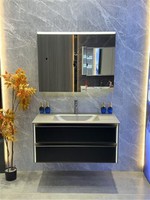

Resin Bathroom Countertop
Resin bathroom countertop refers to a countertop surface crafted from a composite material known as resin. Resin, in this context, typically involves a combination of epoxy or polyester resin mixed with various additives and fillers to create a durable and visually appealing surface suitable for bathroom applications. These countertops are admired for their versatility, as they can mimic the appearance of natural materials like stone or granite while offering enhanced durability and resistance to scratches and stains. The manufacturing process involves pouring the resin mixture into molds, allowing for customizable shapes and designs. Resin countertops are favored for their seamless integration of sinks and backsplashes, promoting easy maintenance and cleaning. Additionally, their non-porous nature makes them resistant to water damage, making them particularly well-suited for bathroom environments where moisture and hygiene are paramount.
Advantages of Resin Bathroom Countertop
Customization and aesthetics
Resin countertops offer unparalleled customization options. You can choose from a wide array of colors, patterns, and even incorporate items like shells, stones, or other decorative elements to create a one-of-a-kind look tailored to your personal taste. The seamless blending of these elements within the resin creates a visually stunning and unique piece of art for your bathroom that can be a conversational focal point.
Non-Porous and easy to maintain
Unlike natural stone materials such as marble or granite, which are porous and require regular sealing to prevent staining, resin countertops are non-porous. This means they repel liquids, preventing stains and making them easier to clean. A simple wipe with a mild detergent and a cloth is usually all that's needed to keep your countertop looking new.
Durability and strength
High-quality resin countertops are durable and resistant to cracks, chips, and heat, making them suitable for everyday use in a busy household. They are also less prone to wear and tear compared to other materials, ensuring they maintain their beauty for an extended period.
Moisture resistance
Bathrooms are inherently humid environments, but resin countertops are designed to withstand moisture well. They won't absorb water or become discolored due to humidity, making them an excellent choice for areas prone to high levels of moisture, such as bathrooms. This resistance also helps to prevent mold and mildew growth, which is a common concern in wet areas.




Why Choose Us
Professional Team
We specialize in bathroom products, seeking the perfect blend of quality, comfort, and aesthetics. With 14 years of experience, we have accumulated rich expertise in creating unique spaces for our clients.
Rich Experience
Our professional team and innovative design concepts allow us to offer comprehensive bathroom solutions. Whether it's home renovations or commercial space design, we prioritize our clients' needs. Through personalized design and high-quality products, we aim to create the perfect space that meets and exceeds our clients' expectations.
Our Service
We always maintain close contact and communication with customers, pay attention to customer needs and expectations, and ensure that every project can meet customer requirements and satisfaction.
Advanced Equipment
The bathroom cabinet workshop has 2 automatic loading and unloading processing centers, 1 edge banding machine, 1 automatic row turning machine, and 1 side hole machine!
Types of Resin Bathroom Countertop
Epoxy Resin Countertops
Epoxy resin countertops are popular for their exceptional durability and glossy finish. They are resistant to chemicals, making them an ideal choice for bathrooms where exposure to various personal care products is common. Epoxy resin countertops also offer a sleek and modern appearance.
Polyester Resin Countertops
Polyester resin countertops are known for their affordability and versatility. While not as heat-resistant as epoxy resin, they are still durable and come in a variety of colors and styles. Polyester resin countertops can be a budget-friendly option for those seeking a customizable and visually appealing surface
Acrylic Resin Countertops
Acrylic resin countertops combine acrylic polymers with natural minerals to create a solid surface material. These countertops are non-porous, resistant to stains, and offer a seamless appearance. Acrylic resin countertops can be easily cleaned and are available in a range of colors and patterns.
Quartz Resin Countertops
Quartz resin countertops blend crushed quartz crystals with resin to produce a durable and visually striking surface. These countertops often mimic the appearance of natural stone but are more resilient and require less maintenance. Quartz resin countertops are resistant to scratches, stains, and heat.
Solid Surface Resin Countertops
Solid surface resin countertops are composed of a homogeneous mix of resin, minerals, and pigments. They offer a seamless and smooth surface, making them easy to clean and maintain. Solid surface resin countertops are versatile, allowing for integrated sinks and various design possibilities.
Recycled Glass Resin Countertops
Recycled glass resin countertops incorporate recycled glass particles into the resin mixture, resulting in a unique and eco-friendly surface. These countertops are visually striking, with the glass providing depth and color variations. They are also durable and resistant to scratches and stains.
Concrete Resin Countertops
Concrete resin countertops combine the strength of concrete with the versatility of resin. This type of countertop can be customized in terms of color and texture, offering a modern and industrial aesthetic. Concrete resin countertops are durable and can withstand daily use in a bathroom environment.
Pigmented Resin Countertops
Pigmented resin countertops allow for a wide range of color options, making them a creative choice for those seeking a vibrant and personalized bathroom design. These countertops can be tailored to match or complement the overall color scheme of the bathroom.
How to Choose Resin Bathroom Countertop

Style and aesthetics
Consider the overall style and aesthetics of your bathroom. Resin countertops come in a variety of colors, patterns, and finishes. Determine whether you prefer a sleek and modern look, a natural stone appearance, or a more eclectic and artistic design. Choose a resin countertop that complements the existing or planned decor of your bathroom.

Durability and performance
Durability of different resin countertop options. Some resins are more resistant to scratches, stains, and heat than others. Consider the specific requirements of your bathroom, such as exposure to moisture, chemicals, and daily use. Quartz and epoxy resin countertops, for example, are known for their durability.

Maintenance and cleanliness
Maintenance requirements of the resin countertop. Non-porous surfaces are generally easier to clean and maintain. Consider how well the countertop resists stains and whether it requires special cleaning agents. A low-maintenance surface is particularly desirable in a bathroom where hygiene is crucial.

Integration of Sinks and backsplashes
Consider whether you prefer a seamless look with integrated sinks and backsplashes. Some resin countertops, like solid surface and acrylic, enable the creation of integrated designs, reducing the number of seams and joints. This not only enhances the aesthetic appeal but also simplifies cleaning.
Material Selection
The process begins with the selection of the resin and other materials. Common resins used for countertops include epoxy, polyester, acrylic, and others. Fillers like crushed quartz, glass, or minerals may be chosen to enhance durability and aesthetics.
Formulation Of Resin Mixture
The resin is then mixed with a precise combination of additives, catalysts, and fillers. The proportions are crucial to achieving the desired properties such as strength, flexibility, and resistance to heat or chemicals. Pigments may also be added to create a specific color or pattern.
Pouring Into Molds
The prepared resin mixture is poured into molds that are shaped according to the desired countertop design. This step allows for customization in terms of size, thickness, and any integrated features like sinks or backsplashes.
Curing Or Setting
The poured resin mixture undergoes a curing or setting process. This step allows the resin to harden and solidify into a durable countertop surface. The curing time can vary depending on the type of resin and the specific formulation used.
Cutting And Shaping
Once the resin has cured, the countertops are removed from the molds. They may undergo further cutting, shaping, and polishing to achieve the desired dimensions and finish. This step is crucial for creating a smooth and seamless surface.
Integration Of Features
For countertops with integrated sinks or backsplashes, these features are often incorporated during the molding or shaping stage. This integration ensures a cohesive and seamless look, reducing the number of joints and seams that could collect dirt or moisture.
Finishing Touches
After the basic shape is achieved, the countertops undergo additional finishing touches. This may include sanding to smooth any rough edges, polishing to enhance the shine, and applying any desired coatings for protection or additional aesthetics.
Packaging And Shipping
Once the resin countertops pass quality control, they are packaged securely for transportation. Manufacturers take care to protect the countertops from damage during shipping to ensure they arrive at their destination in pristine condition.
How Durable Are Resin Bathroom Countertops
Resistance To Scratches
Resin countertops, especially those made with epoxy or acrylic resin, are typically resistant to scratches. However, the level of scratch resistance can vary, and it's advisable to avoid cutting directly on the surface with sharp objects.
Stain Resistance
Many resin countertops, particularly those with a non-porous surface, exhibit excellent resistance to stains. This makes them suitable for use in bathrooms where exposure to toothpaste, cosmetics, and other potentially staining substances is common.
Heat Resistance
Resin countertops, particularly those made with epoxy or certain solid surface resins, are generally resistant to moderate heat. However, it's important to use trivets or hot pads for hot items to prevent potential damage.
Chemical Resistance
Resin countertops, especially those made with epoxy or acrylic resin, are often resistant to chemicals commonly found in bathrooms. This resistance makes them suitable for environments where exposure to cleaning agents and personal care products is frequent.
Water Resistance
Resin countertops are typically non-porous, which makes them highly resistant to water damage. This quality is especially important in bathrooms where countertops are regularly exposed to moisture. Non-porous surfaces also contribute to easier cleaning and maintenance.
Impact Resistance
Resin countertops can withstand moderate impacts, but their resistance to heavy impacts may vary. While they are generally durable, it's advisable to avoid dropping heavy objects on the surface to prevent potential damage.
UV Stability
Some resin countertops may have UV stabilizers to resist discoloration or degradation when exposed to sunlight. This can be relevant in bathrooms with natural light, ensuring the countertop maintains its appearance over time.
Can Resin Bathroom Countertops Be Used in High Humidity Areas Such as Bathrooms
Yes, resin bathroom countertops are well-suited for high-moisture areas like bathrooms. Many types of resin used in countertop manufacturing, such as epoxy, acrylic, and solid surface resins, are non-porous. This non-porous nature makes them highly resistant to water absorption, which is a crucial characteristic for surfaces in areas prone to high moisture levels.
The benefits of using resin bathroom countertops in high-moisture areas include:
Water resistance: Resin countertops do not absorb water, preventing moisture from seeping into the material. This is particularly important in bathrooms where water exposure is frequent.
Prevention of mold and mildew: Non-porous surfaces discourage the growth of mold and mildew, providing a more hygienic environment in bathrooms.
Ease of cleaning: The smooth, non-porous surface of resin countertops makes them easy to clean and maintain. It also minimizes the risk of moisture-related issues like staining or water damage.
Durability: Resin countertops, when properly manufactured and installed, are durable and can withstand the challenges of a high-moisture environment. They are less prone to warping, swelling, or deteriorating due to exposure to water.
Versatility: Resin countertops offer versatility in design, allowing for integrated sinks and backsplashes that contribute to a seamless and cohesive look in the bathroom.
Can Resin Countertops Be Repaired if They Become Damaged

Scratches
Chips And Cracks
Burns Or Heat Damage
Stains
Discoloration
Seam Or Joint Issues
What Are the Latest Trends in Resin Countertop Designs for Bathrooms
Organic And Nature-inspired Designs
Resin countertops with organic patterns, such as those mimicking natural stone or showcasing abstract natural elements, were becoming increasingly popular. Earthy tones and textures create a calming and spa-like atmosphere in bathrooms.
Bold Colors And Geometric Patterns
Some homeowners were opting for bold and vibrant colors or geometric patterns in resin countertops to make a statement in their bathrooms. This trend allowed for more personalized and unique designs, adding a touch of modernity to the space.
Terrazzo And Agate-like Designs
Resin countertops featuring terrazzo patterns or agate-like designs were gaining traction. Terrazzo offers a timeless and elegant look, while agate-inspired designs provide a touch of luxury with their unique, translucent appearance.
Customizable And Artistic Features
The desire for personalized spaces led to an increased interest in customizable resin countertops. Homeowners were exploring options to embed artwork, metallic accents, or even personal items like shells or stones into the resin for a one-of-a-kind design.
Seamless Integration Of Sinks And Backsplashes
The trend toward seamless and integrated designs continued, with resin countertops allowing for the creation of sinks and backsplashes without visible seams. This not only enhanced the aesthetic appeal but also made cleaning easier by eliminating grout lines.
Textured Finishes
Textured finishes, such as matte or leathered surfaces, were becoming more popular for resin countertops in bathrooms. These finishes provided a tactile and visually interesting element to the design.
Sustainable And Recycled Materials
With an increasing focus on sustainability, there was a growing interest in resin countertops made from recycled materials or those with eco-friendly formulations. Homeowners were seeking environmentally conscious options for their bathroom designs.
Lightweight And Thin Profiles
Thin and lightweight resin countertops were gaining favor, offering a sleek and modern look. This trend was in line with minimalist design preferences and contributed to a more contemporary aesthetic.
How to Maintain Resin Bathroom Countertop
Regular Cleaning
Clean the countertop regularly using a mild, non-abrasive cleaner. Avoid harsh chemicals or abrasive cleaning pads, as these can damage the surface. Wipe spills promptly to prevent staining.
01
Avoiding Harsh Chemicals
Refrain from using abrasive or acidic cleaners, as they can damage the resin surface. Instead, opt for gentle, pH-balanced cleaners that are suitable for resin materials.
02
Avoiding High Heat
While many resin countertops are heat-resistant, it's advisable to use trivets or hot pads for hot items like curling irons or straighteners. Prolonged exposure to high heat can potentially damage the resin surface.
03
Using Cutting Boards
To prevent scratches, always use cutting boards or chopping blocks when preparing food on the countertop. Avoid cutting directly on the resin surface with sharp knives.
04
Avoiding Impact Damage
Be cautious with heavy or sharp objects to prevent chipping or cracking. While resin countertops are durable, excessive force or impact may cause damage.
05
Preventing Stains
Promptly clean up spills to prevent staining. Certain substances like hair dyes, nail polish, or colored liquids can stain resin surfaces if left unattended.
01
Avoiding Prolonged Exposure To Sunlight
If your bathroom receives a lot of natural sunlight, consider using window treatments to minimize prolonged exposure to direct sunlight. This can help prevent discoloration over time.
02
Soft Cloth Or Sponge For Cleaning
Use a soft cloth or sponge for cleaning to avoid scratching the surface. Microfiber cloths work well for wiping down resin countertops without causing damage.
03
Avoiding Rough Cleaning Pads
Refrain from using abrasive cleaning pads or scouring pads, as they can scratch the resin surface. Stick to soft materials for cleaning to preserve the countertop's appearance.
04
Regular Inspection
Periodically inspect the countertop for any signs of damage or wear. Address any issues promptly to prevent further damage.
05
How to Install Resin Bathroom Countertop
Measure And Design
Begin by measuring your existing countertop or the area where the new countertop will be installed. Determine the dimensions and shape you need for your resin countertop. If you're ordering a prefabricated countertop, ensure these measurements are accurate. If you're casting in situ, you'll need a mold that matches these dimensions.
Remove Old Countertop
Clear the area of any old countertops or debris. Be cautious as you remove the old countertop to avoid damage to the surrounding cabinetry and fixtures. Ensure the surface is clean, dry, and level.
Prepare The Surface
Once the old countertop is removed, prepare the base by ensuring it is sturdy and level. Use a leveling compound if necessary to create a smooth and even surface. Make sure the base can support the weight of the resin countertop.
Install Supports
For cast-in-place countertops, install supports or a frame to hold the mold in place. The supports should be strong and spaced correctly to prevent the resin from warping or cracking during curing.
Mix The Resin
If you're casting your countertop on site, prepare the resin according to the manufacturer's instructions. Wear proper protective gear, including gloves and a respirator. Mix the resin and hardener thoroughly until it has a consistent consistency.
Pour The Resin
Slowly pour the mixed resin into the mold, being careful not to introduce air bubbles. Use a blowtorch or release agent to eliminate any bubbles that form on the surface.
Add Decorative Elements
Before the resin begins to cure, add any decorative elements like pigments, stones, or shells. Arrange them carefully to achieve the desired pattern.
Curing
Allow the resin to cure completely. Curing times can vary depending on the type of resin and the environmental conditions but typically range from 24 to 48 hours. Ensure no one touches the countertop during this time.
Demolding
After the resin has fully cured, carefully remove the mold. Clean any excess resin or residue from the edges and surface.
Finishing Touches
Sand the edges of the countertop to smooth out any rough spots, using a fine-grit sandpaper. Apply a polish or sealer if desired to enhance the finish and protect the surface.
Components of Resin Bathroom Countertop
Resin
The primary component is the resin itself, which serves as the binder for the countertop. Common types of resin include epoxy, polyester, acrylic, or a blend of these materials.
Fillers
Various fillers are added to the resin mixture to enhance the countertop's strength, durability, and appearance. Fillers may include crushed quartz, minerals, glass, or other additives, depending on the desired characteristics of the final product.
Pigments
Pigments are added to the resin mixture to provide color and achieve the desired aesthetic. Pigments can range from natural tones to bold and vibrant colors, allowing for a wide range of design possibilities.
Reinforcements
Some resin countertops may incorporate reinforcement materials, such as fiberglass or other reinforcing agents, to improve structural integrity and resistance to cracking or chipping.
UV Stabilizers
In certain formulations, UV stabilizers may be added to the resin mixture to protect the countertop from discoloration or degradation caused by exposure to sunlight.
Catalysts
Catalysts are substances that initiate or accelerate the curing process of the resin. They play a crucial role in solidifying the resin mixture into a hardened countertop surface.
Release Agents
Release agents may be used during the manufacturing process to facilitate the removal of the cured countertop from molds, ensuring a smooth and intact surface.
Additives For Special Features
Depending on the manufacturer and specific product, additional additives may be included to impart special features, such as antimicrobial properties, enhanced scratch resistance, or unique textures.
Adhesives
When countertops have integrated sinks, backsplashes, or other features, adhesives compatible with the resin material may be used during the installation process to securely bond these components.
Our Factory
We always firmly believe that communication is the key to success. Therefore, we always maintain close contact and communication with customers, pay attention to customer needs and expectations, and ensure that every project can meet customer requirements and satisfaction.At the same time, during the construction process, we pay great attention to safety and environmental protection to ensure the safety and cleanliness of the construction site. In addition, we also provide customers with excellent after-sales service to protect the interests and rights of customers.


FAQ
Q: How durable are resin bathroom countertops?
Q: Can resin countertops be installed by homeowners, or do they require professional installation?
Q: Are resin countertops resistant to stains and water?
Q: How do I clean and maintain my resin bathroom countertop?
Q: Can I repair scratches or damage on my resin countertop?
Q: What distinguishes a resin bathroom countertop from traditional materials?
Q: What are the primary advantages of choosing a resin countertop for the bathroom?
Q: How is a resin bathroom countertop manufactured, and what materials are commonly used in the process?
Q: Is a resin countertop suitable for high-moisture environments such as bathrooms?
Q: What variety of color and design options are available for resin bathroom countertops?
Q: How does the durability of resin compare to other materials commonly used for bathroom countertops?
Q: Does a resin countertop require special care or maintenance compared to traditional materials?
Q: Can resin countertops be customized in terms of size, shape, and features?
Q: Are resin countertops resistant to stains and scratches in a bathroom setting?
Q: What is the heat resistance of resin bathroom countertops, and are they suitable for placing hot objects?
Q: Is there a specific type of resin recommended for bathroom countertops?
Q: Can resin countertops be seamlessly integrated with sinks and backsplashes for a cohesive look?
Q: What is the typical thickness of a resin bathroom countertop, and does it affect its performance?
Q: Can resin countertops be repaired if they are chipped or damaged?
Q: Are there any specific cleaning products or methods recommended for maintaining the appearance of resin countertops?