

When I chat with homeowners and renovators about bathroom upgrades, one question pops up all the time-especially from folks who hate that "plastic-y" fake vibe you get with some engineered surfaces: Do Corian bathroom countertops actually look natural? As a supplier who's spent years working with this material day in and day out, I get the confusion. A lot of people hear "Corian" and picture that solid, uniform, almost too-perfect look that screams "man-made." But here's the thing: modern Corian is way more nuanced than that old stereotype. Let's break it down, no sales jargon, just real talk about what makes it look like it belongs in your bathroom, not a lab.
First, let's clear up what Corian actually is, because that's where the natural look starts. It's not just a hunk of resin squished into a mold (though resin is a big part of it). It's a blend of acrylic polymer and natural mineral fillers, right? Those fillers are stuff like alumina trihydrate, which comes from bauxite, a mineral you'd find in rocks and even some clay deposits. So it's not all synthetic-there's actual natural material mixed in, which helps with that texture and light play that mimic stone. When the original Corian launched back in the 60s, it was pretty plain, but over the last decade, the patterns have gotten wild. No more boring beige slabs; now you've got flecks that look like granite, swirls that mirror marble, even subtle veining that's hard to tell apart from natural stone if you're not running your fingers over it.
Wait, but let's be honest-texture matters most for that "natural" feel. A lot of people think natural stone's rough, but the best natural bathroom countertops have a soft, uneven surface, not a slab of gravel. Corian is non-porous, so it's easy to smooth, but we (as in, the Corian Bathroom Countertops team) don't just polish it flat. We use different finishing techniques: matte for a stone-like understated look, satin that catches light like honed limestone, even textured edges that replicate the slight pitting you see in real slate. I remember a client last year who swapped out their old marble countertops because they kept staining, and they couldn't tell their new matte Corian ones were man-made until I pointed out the consistent edge detail. That's the win here-natural texture without the hassle of sealing stone every year.
Lighting is another big one that makes Corian feel natural, and we've seen how the design has evolved to lean into that. A lot of people don't realize Corian is semi-translucent in thin layers, so it picks up light way better than solid quartz or granite. That's why so many designers now pair Corian with things like backlighting, and honestly, some of our best-selling items that play with that are the Led Light Resin Bathroom Countertop lines. Wait, let me tell you-you slot tiny LED strips into the edges or even under the countertop, and the light seeps through the Corian's mineral fillers like it's glowing from within, just like how natural marble or travertine lets light filter through their own porous layers. No harsh, cold light here; it's a warm, soft glow that doesn't read as artificial, even if you know the technology is man-made.
But let's address the biggest counterpoint: people say Corian looks "too perfect" to be natural. I get that, and for a long time, that was a fair knock on early versions. Back in the day, if you wanted a vein pattern, it was a single, thick line that looked like it was drawn with a marker, not the subtle, branching veins in a slab of real onyx. But now? The manufacturers use advanced pigment blending that creates random, organic patterns-no two slabs are exactly the same, which is key for natural look. You pick a Corian batch, it has small variations in fleck size, swirl direction, even color intensity, just like how no two granite slabs from the same quarry are identical. We've actually had a few interior designers come to us specifically because they want the consistency of engineered surfaces but the subtle uniqueness of natural stone, and Corian checks that box way better than most competitors.
Now, let's talk about practical stuff that ties into how it feels natural in your daily bathroom use, not just on a Pinterest board. A lot of homeowners think "natural look" means durable, scratch-resistant, easy to clean-wait, no, but natural stone like marble etches if you drop a lemon wedge, granite can stain if you leave oil on it. Corian is resistant to heat, scratches, and stains (as long as you take basic care), so it looks good for years, which means that natural vibe doesn't fade after a year. But it's also mold and mildew resistant, which is huge in bathrooms, so you don't have to worry about discoloration from moisture that ruins the look of real stone.
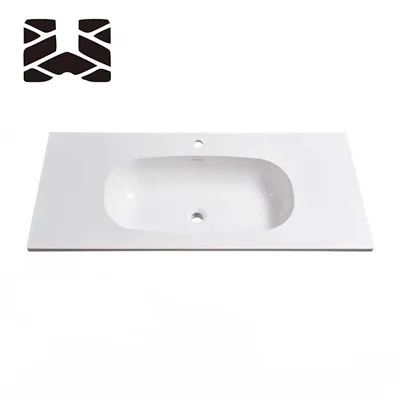
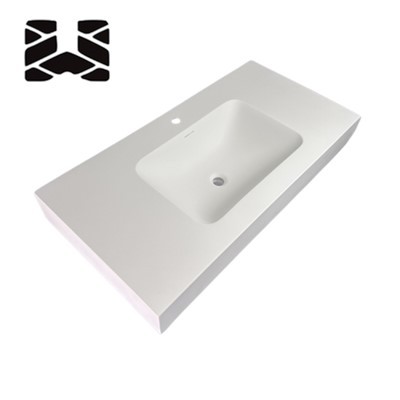
We also offer a bunch of customizable Corian countertop options that cater to different natural aesthetic vibes. If you want a sleek, modern natural look, we have 39.5 Inch Resin Bathroom Countertops with subtle gray veining that works with small bathrooms or minimalist spaces. If you prefer something more organic, like a rustic farmhouse feel, our Round Basin Resin Bathroom Countertop has a soft, uneven edge and a matte finish that looks like it's made from reclaimed stone, not a pre-fabricated slab. And for people who want a cohesive bathroom look, we even have Resin Bathroom Upper and Lower Countertops that match in color and texture, so you don't have to mix and match different materials to get a uniform, natural flow.


Wait, let's circle back to that user experience because that's what makes the "natural look" matter. When you run your hand over a Corian countertop, it's not cold and hard like granite-wait, no, it's warm, almost like a well-used wooden table, because it holds temperature better than stone. Early Corian was a little too smooth, like plastic, but now we use textured rollers and different finishing compounds to get a slight, soft roughness that feels like natural stone, not a man-made slab. A friend who's a bathroom designer told me last month that she specifies Corian for 70% of her clients now, because people want that "homey" natural feel without the maintenance, and Corian nails that better than any other engineered surface.
But let's be real-no one's going to mistake a white Corian countertop for a slab of Carrara marble if they're a stone expert. The difference is in the subtlety. Corian doesn't have the deep, heavy veining that makes real stone feel dramatic; its patterns are light, soft, like how a slab of marble might have faint lines, not bold, thick streaks. So it leans into the calm, understated natural look that's popular right now, not the in-your-face stone that some people want. That's a feature, not a flaw-so many people these days want their bathroom to feel like a quiet retreat, not a museum, and Corian's subtle, natural-looking patterns help with that.
Now, if you're someone who's weighing Corian against other options, like quartz or solid stone, let's break it down for a second. Quartz often has very uniform patterns, because it's made from crushed stone and resin mixed in huge batches, so it can look a little too consistent, like a printed photo. Solid surface acrylic is way more flexible but has that obvious plastic look that everyone hates. Corian hits that sweet spot: it's man-made, so you don't have to deal with stone's flaws (stains, etching, uneven coloring), but it has the organic, natural texture and patterns that make it feel like it belongs in your home, not a commercial build.
I should also mention that there's a lot of misinformation out there about Corian looking unnatural, mostly from old reviews and stereotypes from 10+ years ago. The material has come so far-new pigments, new blending techniques, new finishing processes have completely changed the game. We've had customers come in saying they avoided Corian for years because they thought it looked fake, and once they saw our latest batches in person, they switched to it immediately. Seeing that reaction is why I love working with this material-we're not selling a generic plastic surface, we're selling a product that looks and feels natural, while being practical enough for daily bathroom use.
If you're thinking about upgrading your bathroom countertop, here's the thing: the "natural look" isn't about copying a slab of stone exactly. It's about creating a space that feels warm, unique, and at home, not like it was built by a robot. Corian does that better than most engineered surfaces, because it blends the best of both worlds: the consistency and durability of man-made materials, and the organic, subtle beauty of natural stone.
Now, if you want to check out some of the options we have, we've got the full range of Corian Bathroom Countertops available for customization, whether you're looking for a small 39.5 inch unit for a guest bathroom, a round basin countertop for a master suite, or even a backlit led countertop to add that soft, glowing natural light. Our team works with you to pick the right pattern, finish, and size to match your bathroom's style, so you don't have to compromise between natural looks and functionality.
If you're ready to chat about your bathroom project, we're here to help-whether you're a homeowner doing a small remodel or a contractor working on a big build. We can walk you through different finishes, show you sample boards, and answer any questions you have about how Corian will look in your specific space. Don't let old stereotypes stop you from checking it out-Corian might just be the natural-looking countertop you've been searching for.
References:
- Corian Brand. (2022). Evolution of Solid Surface Materials: From 1960s Innovations to Modern Aesthetics. Corian Design Resource Library.
- National Kitchen & Bath Association. (2023). 2023 Countertop Material Trend Report: Natural-Looking Surfaces for Residential Bathrooms. NKBA Industry Publications.
- Stone World Magazine. (2022). Engineered vs. Natural Stone: Debunking Misconceptions About Synthetic Surface Appearance. Stone World Technical Journal.
- International Association of Certified Home Inspectors. (2023). Durability and Maintenance of Solid Surface Countertops in Bathroom Settings. InterNACHI Home Inspection Standards.