

If you're reading this, chances are you've noticed a white, powdery or crusty film popping up on your bathroom slate countertops – and you're wondering how to get rid of it, or even prevent it from coming back. As a supplier of Bathroom Slate Countertops, I've spent years helping homeowners, contractors, and interior designers navigate this exact issue, and I'm here to break down what efflorescence is, why it happens on slate in bathrooms, and step-by-step solutions to deal with it properly. No confusing jargon, no overly technical science – just real, actionable advice from someone who works with slate every single day.
First, let's clear up what efflorescence actually is, because there's a lot of misinformation out there. Efflorescence isn't a stain, mold, or damage to your slate. It's a natural reaction when water carrying soluble salts (found in most stone, including slate) moves to the surface of the stone, then evaporates. When the water leaves, those salts are left behind – that white, chalky stuff you see. Bathrooms are especially prone to this because of constant moisture from showers, baths, and even steam that lingers after use. Slate is a porous natural stone, so it's more likely to absorb and hold small amounts of water than, say, solid surface countertops, which makes efflorescence a common concern.
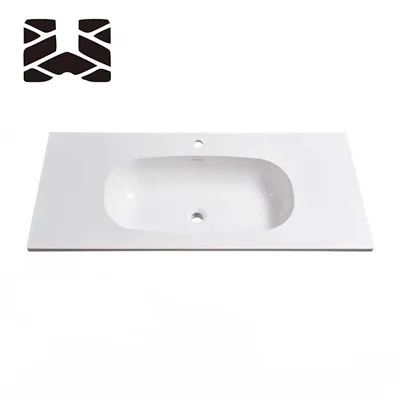
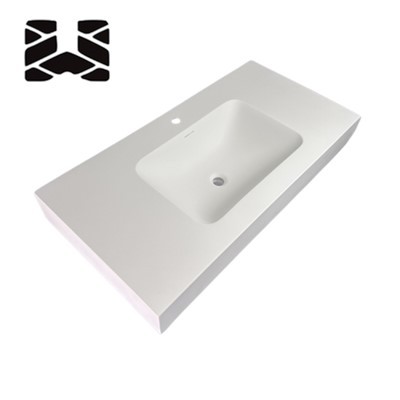
I've seen efflorescence on all types of slate bathroom surfaces, from the classic Black Bathroom Slate Countertops that give a sleek, modern look to our custom Bathroom Slate Oval Basin Countertops that are popular for smaller bathrooms. The good news is that efflorescence is temporary and doesn't harm the structural integrity of your slate – that's a key point to remember. The bad news is if you don't address it the right way, it can get worse over time, or even make your slate look dull and worn.

Let's start with the immediate question: how do you remove efflorescence once it's already on your countertops? I've tested dozens of methods over the years, and I always recommend starting with the gentlest approach first, because slate is a soft stone (softer than granite or quartz) and harsh chemicals can etch or damage the surface.
Step 1: Dry brushing. This is the first thing I suggest to all my customers. Take a stiff, natural-bristle brush (not a metal brush, which can scratch slate) and gently scrub the efflorescence in circular motions. Most of the time, the powdery part will come right off with a little brushing. Wipe away the dust with a dry microfiber cloth, and check to see if that did the trick. I've had customers tell me this worked completely for light efflorescence – no need for anything else. It's quick, free, and low-effort, so it's always worth trying first.
Step 2: Mild soap and water. If dry brushing doesn't get all of it, the next step is a gentle cleaning solution. Mix a few drops of pH-neutral dish soap (important – avoid acidic or abrasive soaps like vinegar, lemon, or bleach, which will harm slate) with warm water. Dip a soft sponge or microfiber cloth into the solution, wring it out well (you don't want excess water sitting on your slate), and wipe the efflorescence area. Scrub gently, then rinse the area with clean water immediately, and dry it thoroughly with a towel or cloth. Repeat as needed. This works for mild to moderate efflorescence, and it's safe for most slate surfaces. I always tell customers to test this on a small, inconspicuous area first, just to be sure their specific slate responds well.
Step 3: Store-bought efflorescence removers. If the above methods don't work, you can use a stone-specific efflorescence remover. A lot of general-purpose cleaners will not work here, and some will make it worse, so you need one designed for natural stone. When you use one of these, make sure to follow the instructions exactly – don't leave it on longer than recommended, and always rinse and dry thoroughly afterward. I also recommend doing a spot test first, just like with the soap and water method. I've worked with customers who used a generic concrete cleaner by mistake, and it stripped the finish off their slate countertops – that's a mistake you want to avoid.
Now, what if the efflorescence is really stubborn, and none of these methods work? That's rare, but it can happen if the salts have seeped deeper into the porous slate. In that case, you might need to do a light poultice. A poultice draws out deep-seated salts, and it's a safe, stone-friendly method. To make a poultice, mix a small amount of efflorescence remover (the same one you used earlier) with a absorbent powder like baking soda, diatomaceous earth, or talc, until you get a thick, paste-like consistency. Apply the paste to the efflorescence area, spread it about a quarter-inch thick, and cover it with plastic wrap. Use a few pieces of tape to hold the plastic in place, and let it sit for 24 to 48 hours. The poultice will pull the deep salts out of the slate. After that time, peel off the plastic, let the area dry completely, then brush away the dried poultice and wipe clean with water. I've had great results with poultices for tough efflorescence, but it is a bit more work, so it's usually a last step after the first three methods.
But here's the thing – removing efflorescence is only half the battle. If you don't take steps to prevent it from coming back, it will almost certainly show up again. As a Bathroom Slate Countertops supplier, I always emphasize prevention because it's easier than dealing with repeat efflorescence.
The biggest prevention step is sealing your slate countertops. Slate is porous, so it needs a quality stone sealer to reduce water absorption. I recommend a penetrating sealer, which soaks into the stone rather than sitting on top (those are the best for natural stone like slate). How often do you need to re-seal? That depends on how often you use your bathroom, but I suggest testing it annually: pour a small amount of water on the countertop, and if it beads up, the sealer is still working. If the water soaks in within a few minutes, it's time to re-seal. When you buy new slate countertops, like the ones you'll find at /bathroom-countertop/bathroom-slate-countertops/new-bathroom-slate-countertops.html, they typically come pre-sealed, but that sealer will wear off over time, so don't skip re-sealing.
Next, reduce moisture in your bathroom. Since efflorescence is caused by water evaporating and leaving salts behind, less moisture means less chance of it forming. Simple steps like using an exhaust fan during and after showers, opening a window when possible, or wiping down your countertops with a dry cloth after use can make a big difference. I also tell customers to avoid leaving standing water on their slate – that's the easiest way for water to seep in and carry salts to the surface.
Another prevention tip: avoid harsh products that can damage your sealer. As I mentioned earlier, acidic cleaners (vinegar, citrus-based sprays), abrasive scours, and bleach can not only etch the slate surface but also break down the sealer, making it less effective at blocking moisture. Stick to pH-neutral cleaners, and you'll keep your sealer in good shape and reduce efflorescence risk.
Wait a second – is there any chance that white film on your slate isn't efflorescence? That's a good question, because sometimes people mix up efflorescence with mineral deposits or even mold. Mineral deposits from hard water can look similar, but they're usually more yellow or brown, and they come from calcium and magnesium, not salt. Mold is usually fuzzy, has a distinct smell, and grows in damp, dark corners. If you're not sure what you're dealing with, you can do a simple test: efflorescence will wipe away with a little water and scrubbing, while hard water deposits will need a mild acid (like a stone-safe descaler) to remove, and mold will need a mold-killing product. If you get a result that doesn't look like efflorescence, don't hesitate to reach out to a stone professional, and as a Bathroom Slate Countertops supplier, I'm always happy to help if you have questions.
I've been in this industry long enough to have heard every horror story – from homeowners who thought their slate was ruined when efflorescence showed up, to contractors who used the wrong cleaner and damaged an entire countertop. The key takeaway here is that efflorescence is not a death sentence for your slate. It's a common, manageable issue that almost every bathroom slate countertop owner will face at some point, and with the right steps, you can eliminate it and keep it from coming back.
Now, if you're in the market for new slate countertops (or you're looking to replace ones that are showing signs of wear, like repeated efflorescence that's hard to get rid of), I have a range of options for you. Our Black Bathroom Slate Countertops are perfect for a bold, timeless look that pairs well with any bathroom design, and our Bathroom Slate Oval Basin Countertops are great for adding a sleek, custom touch to smaller spaces. We also offer Bathroom Slate Glass Countertops for a modern, seamless look, and custom splicing options if you need a countertop for an oversized or uniquely shaped bathroom. All of our products are high-quality, ethically sourced, and come with guidance on installation, sealing, and maintenance – so you can rest easy knowing you're investing in a surface that will last for years.
Whether you're dealing with current efflorescence on your existing slate or you're ready to upgrade to new, durable slate countertops, I'm here to help. Our team has years of experience working with all types of slate and bathroom countertop needs, and we can answer any questions you have about maintenance, installation, or product options. If you're ready to discuss your project and learn more about how our slate countertops can work for you, feel free to reach out to our team for a consultation.
References
- Natural Stone Institute. (n.d.). Efflorescence in Natural Stone. Retrieved from naturalstoneinstitute.org
- Marble Institute of America. (2017). Natural Stone Maintenance Guide. Retrieved from marble-institute.org
- Tile Council of North America. (2020). Care and Maintenance of Natural Stone Surfaces. Retrieved from tcnatile.com
- Slate Association of America. (n.d.). Slate Care & Efflorescence Prevention. Retrieved from slateassociation.org