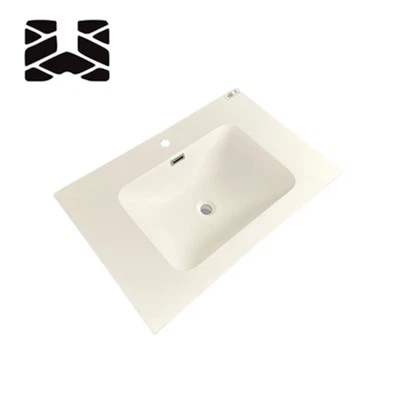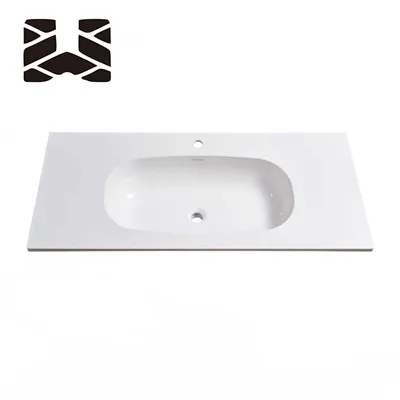


Hey there! As a supplier of Bathroom Countertops, I've seen firsthand how mold can be a real pain in the you - know - what when it comes to bathroom countertops. Not only does mold look gross, but it can also pose health risks, especially for people with allergies or respiratory issues. So, let's talk about how you can prevent mold growth on your bathroom countertop.
Understand Why Mold Loves Bathrooms
First off, it's important to understand why mold is so attracted to bathrooms in the first place. Bathrooms are like a mold paradise because they're usually warm and moist. Every time you take a hot shower or bath, steam fills the air. This steam then condenses on cool surfaces, like your countertop, creating a damp environment that mold just loves.
Mold spores are everywhere in the air, and when they land on a damp surface, they can start to grow. If your countertop has any scratches, cracks, or porous areas, it gives the mold an even better place to set up shop.
Choose the Right Countertop Material
When it comes to preventing mold, the type of countertop material you choose matters a lot. Some materials are more resistant to mold than others.
-
Natural Marble Bathroom Sink Tops: Natural marble is a popular choice for bathroom countertops. It's elegant and durable. Marble is a relatively non - porous stone, which means it doesn't absorb water as easily as some other materials. You can check out the options Natural Marble Bathroom Sink Tops. However, it's still important to seal marble regularly to keep it in top shape and prevent mold from getting into any tiny pores.
-
Carrara White Bathroom Marble Countertop Basin: Carrara white marble is another great option. It has a beautiful, classic look. Just like other marbles, it needs proper care. Sealing it every 6 - 12 months can help keep mold at bay. You can explore more about Carrara White Bathroom Marble Countertop Basin.
-
Bathroom Slate Glass Countertop: Slate glass countertops are a modern and stylish choice. Glass is non - porous, so it's naturally resistant to mold. And slate can add a unique texture and look. You can find some cool options Bathroom Slate Glass Countertop.
Keep the Bathroom Well - Ventilated
Good ventilation is crucial for preventing mold growth. When you take a shower or bath, turn on the exhaust fan. The fan helps to suck out the moist air and replace it with drier air from outside. Make sure the exhaust fan is working properly and is sized correctly for your bathroom.
If your bathroom doesn't have an exhaust fan, you can open a window during and after your shower. This allows the steam to escape and fresh air to come in. Even a small amount of fresh air can make a big difference in reducing the humidity levels in the bathroom.
Wipe Down the Countertop Regularly
One of the simplest things you can do to prevent mold is to wipe down your countertop after each use. Use a clean, dry cloth to remove any water or moisture from the surface. Pay special attention to the edges, corners, and any areas where water tends to pool.
If you have a toothbrush holder, soap dish, or other items on the countertop, take them off and wipe the area underneath. These items can trap water and create a breeding ground for mold.
Use a Mold - Resistant Cleaner
In addition to regular wiping, it's a good idea to clean your countertop with a mold - resistant cleaner once a week. There are many commercial cleaners available at your local grocery or hardware store. Look for ones that are specifically designed to kill mold and prevent its growth.
You can also make your own natural cleaner using ingredients like vinegar and baking soda. Vinegar is acidic, which helps to kill mold. Mix equal parts of white vinegar and water in a spray bottle and spray it on the countertop. Let it sit for a few minutes, then wipe it off with a cloth. Baking soda can be used to scrub away any stubborn stains or mold.


Seal the Countertop
If your countertop is made of a porous material like marble or granite, sealing it is essential. A good sealant creates a barrier between the countertop and water, preventing moisture from seeping in and providing a home for mold.
You can buy a countertop sealer at a home improvement store. Follow the instructions on the package carefully. Usually, you'll need to clean the countertop thoroughly before applying the sealant. Let the sealant dry completely before using the countertop again. Depending on the type of sealer and the amount of use your countertop gets, you may need to re - seal it every 6 - 12 months.
Check for Leaks
Leaks can be a major cause of mold growth. Check your bathroom fixtures, such as the sink, faucet, and pipes, regularly for leaks. Even a small drip can create a constant source of moisture, which is perfect for mold.
If you notice any leaks, fix them as soon as possible. You can try to fix minor leaks yourself if you're handy, but for more serious issues, it's best to call a professional plumber.
Keep the Bathroom Clutter - Free
Clutter on your bathroom countertop can make it harder to clean and dry the surface properly. Items like makeup, hair products, and towels can block the airflow and trap moisture. Keep only the essentials on the countertop and store the rest in a cabinet or drawer.
This not only makes your bathroom look neater but also reduces the chances of mold growth.
Monitor the Humidity
You can use a hygrometer to monitor the humidity levels in your bathroom. The ideal humidity level for a bathroom is between 30% - 50%. If the humidity is consistently above 50%, you may need to take additional steps to reduce it, such as running the exhaust fan more often or using a dehumidifier.
A dehumidifier can be a great investment, especially if you live in a humid climate or have a bathroom without proper ventilation.
Conclusion
Preventing mold growth on your bathroom countertop is all about creating an environment that mold doesn't like. By choosing the right countertop material, keeping the bathroom well - ventilated, wiping down the countertop regularly, using a mold - resistant cleaner, sealing the countertop, checking for leaks, keeping the bathroom clutter - free, and monitoring the humidity, you can keep your bathroom countertop looking great and mold - free.
If you're in the market for a new bathroom countertop, we're here to help. We offer a wide range of high - quality countertop materials that are not only beautiful but also resistant to mold. Whether you're looking for Natural Marble Bathroom Sink Tops, Carrara White Bathroom Marble Countertop Basin, or Bathroom Slate Glass Countertop, we've got you covered. Contact us for more information and let's start the conversation about your next bathroom renovation project!
References
- "Mold Prevention Tips." Environmental Protection Agency.
- "Bathroom Countertop Materials: Pros and Cons." HomeAdvisor.
- "How to Seal a Marble Countertop." This Old House.