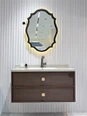
In the B2B bathroom fixture industry, the choice of material is a critical decision that impacts every aspect of a project-from product durability and performance to design flexibility, sustainability, and cost-effectiveness. For B2B buyers, including hospitality groups, real estate developers, commercial contractors, and home improvement distributors, selecting bathroom vanities made with innovative, high-quality materials is essential to delivering value to their clients, reducing long-term costs, and maintaining a competitive edge. As a forward-thinking bathroom vanity manufacturer, Hangzhou Levi Decoration Co., Ltd. is dedicated to material innovation, offering a range of premium solutions-solid wood bathroom vanity, sintered stone bathroom vanity, and metal frame bathroom vanity-each engineered to meet the unique demands of B2B applications. In this article, we will explore the importance of material innovation in B2B bathroom vanity sourcing, delve into the unique advantages of our core materials, and explain how our material-focused approach delivers long-term value for our B2B partners.
The Importance of Material Innovation in B2B Bathroom Vanity Sourcing
Material innovation is reshaping the B2B bathroom vanity market, driving improvements in quality, sustainability, functionality, and design. For B2B buyers, partnering with a manufacturer that prioritizes material innovation offers numerous key benefits:
1. Enhanced Durability and Longevity
B2B bathroom vanities are subjected to heavy use, especially in high-traffic environments such as hotels, resorts, and commercial buildings. Materials that are durable, resistant to wear and tear, and able to withstand moisture, stains, and scratches are essential to minimizing replacement costs and ensuring customer satisfaction. Innovative materials-such as advanced sintered stone and multi-layer solid wood-offer superior durability compared to traditional materials, extending the lifespan of the vanity and reducing the total cost of ownership for B2B buyers.
2. Improved Sustainability and Environmental Responsibility
Sustainability is a top priority for B2B buyers and their clients alike. Innovative materials that are renewable, recyclable, or low-impact help B2B buyers meet environmental regulations, reduce their carbon footprint, and appeal to eco-conscious end-users. Manufacturers that invest in sustainable material innovation-such as paint-free wood and recycled-content sintered stone-enable B2B buyers to align their projects with global sustainability goals, enhancing their brand reputation and market competitiveness.
3. Greater Design Flexibility
Innovative materials offer greater design flexibility, allowing B2B buyers to create unique, customized bathroom vanities that meet specific aesthetic and functional requirements. For example, sintered stone can be molded into complex shapes and finished in a wide range of colors and textures, while multi-layer solid wood can be crafted into intricate designs without compromising stability. This design flexibility enables B2B buyers to differentiate their projects, cater to diverse design preferences, and stay ahead of market trends.
4. Enhanced Functionality and User Experience
Material innovation often goes hand-in-hand with improved functionality. Innovative materials can be engineered to offer features such as heat resistance, anti-microbial properties, and easy maintenance, enhancing the user experience for end-users. For example, sintered stone is naturally resistant to bacteria and mold, making it ideal for hygiene-critical environments such as hospitals and hotels. Multi-layer solid wood is more stable than traditional solid wood, reducing the risk of warping and cracking in humid bathroom conditions. These functional benefits make bathroom vanities more appealing to end-users, driving customer satisfaction and repeat business for B2B buyers.
5. Cost-Effectiveness in the Long Run
While innovative materials may sometimes have a higher initial cost, they often deliver significant cost savings over the long term. Durable materials reduce replacement and maintenance costs, while sustainable materials can lower energy and resource consumption during production and use. Additionally, innovative materials that offer design flexibility can reduce the need for expensive customizations, streamlining the procurement process and lowering overall project costs. For B2B buyers, this long-term cost-effectiveness is a key factor in maximizing return on investment (ROI) for their projects.
At Hangzhou Levi Decoration Co., Ltd., we recognize that material innovation is the foundation of delivering value to our B2B partners. That's why we have invested heavily in researching, testing, and sourcing the most innovative materials for our bathroom vanity product lines. Our focus on material quality and innovation ensures that our products meet the highest standards of durability, sustainability, design, and functionality-delivering long-term value for our B2B clients.
Our Core Materials: Innovative Solutions for B2B Bathroom Vanities
We offer three core bathroom vanity product lines, each built around innovative materials that address the specific needs of B2B applications. Below, we explore the unique advantages of each material, how they are engineered for B2B use, and the benefits they deliver to our partners.
1. Solid Wood Bathroom Vanity: Paint-Free Multi-Layer Solid Wood
Solid wood has long been a popular choice for bathroom vanities due to its natural beauty, warmth, and timeless appeal. However, traditional solid wood has limitations-such as susceptibility to warping, cracking, and moisture damage-that make it less than ideal for B2B applications. To address these limitations, we have innovated with paint-free multi-layer solid wood, a material that combines the natural beauty of wood with enhanced durability, stability, and sustainability.
Key Material Innovations and Advantages
Multi-Layer Construction: Our solid wood bathroom vanities are made from multi-layer solid wood, which consists of multiple thin layers of wood bonded together with eco-friendly adhesives. This construction method minimizes the natural tendency of wood to warp and crack, as the layers counteract each other's movement. The result is a vanity that is significantly more stable than traditional single-piece solid wood, even in humid bathroom environments. This stability is critical for B2B buyers, as it reduces the risk of product failure and the need for costly replacements.
Paint-Free Finish: Unlike traditional solid wood vanities, which require chemical-laden paints or stains to protect the wood and enhance its appearance, our multi-layer solid wood vanities feature a paint-free finish. We use natural oils, waxes, or water-based clear coats to protect the wood, highlighting its natural grain and color while eliminating harmful VOCs. This paint-free finish offers several key benefits for B2B buyers:
Sustainability: Low-VOC finishes reduce environmental impact and meet global sustainability standards, making the vanities ideal for eco-friendly projects.
Health and Safety: VOC-free finishes improve indoor air quality, creating a healthier environment for end-users-an important consideration for hotels, hospitals, and residential projects.
Aesthetics: The natural finish showcases the wood's unique grain and color, creating a warm, authentic look that appeals to a wide range of design preferences.
Sustainable Sourcing: We source our multi-layer solid wood from responsibly managed forests, ensuring that our supply chain is sustainable and environmentally responsible. We also prioritize wood species that are fast-growing and abundant, minimizing the impact on old-growth forests. Additionally, the multi-layer construction maximizes the use of wood resources, reducing waste compared to traditional solid wood production.
B2B Applications and Benefits
Our paint-free multi-layer solid wood bathroom vanities are ideal for a wide range of B2B applications, including:
Luxury Hotels and Resorts: The natural beauty and warmth of wood create an inviting, upscale atmosphere that enhances the guest experience. The durable, stable construction ensures that the vanities withstand heavy use, while the paint-free finish aligns with the sustainability goals of many luxury hospitality brands.
Residential Developments: From affordable housing to luxury villas, our solid wood vanities appeal to homebuyers seeking a timeless, high-quality bathroom fixture. The stable construction and low-VOC finish make them a practical and sustainable choice for residential projects.
Boutique Inns and Bed & Breakfasts: The unique grain patterns and natural finish of our solid wood vanities add character and charm to boutique accommodations, helping to create a memorable guest experience.
For B2B buyers, the key benefits of our solid wood bathroom vanities include:
Reduced maintenance and replacement costs due to enhanced stability and durability.
Compliance with sustainability and environmental regulations, enhancing brand reputation.
Design flexibility, with a range of wood species, finishes, and customizations available.
Appeal to end-users seeking natural, eco-friendly, and timeless bathroom fixtures.
2. Sintered Stone Bathroom Vanity: High-Performance Sintered Stone
Sintered stone is one of the most innovative materials to emerge in the bathroom fixture market in recent years. It is made from a combination of natural minerals (such as quartz, 长石,and clay) and recycled materials, which are pressed and sintered at extremely high temperatures (over 1200°C) to create a dense, durable material with exceptional performance characteristics. Our sintered stone bathroom vanities leverage this innovative material to deliver a product that is ideal for B2B applications requiring durability, hygiene, and design versatility.
Key Material Innovations and Advantages
Exceptional Durability: Sintered stone is one of the hardest materials available for bathroom vanities, with a Mohs hardness rating of 6-7. This makes it highly resistant to scratches, stains, heat, and impact-even from sharp objects, hot tools, or harsh chemicals. For B2B buyers, this durability translates to reduced maintenance costs and a longer product lifespan, making it ideal for high-traffic commercial spaces.
Hygienic and Easy to Clean: Sintered stone is non-porous, meaning it has no pores or gaps where bacteria, mold, or mildew can grow. This makes it extremely hygienic, a critical feature for hotels, hospitals, and other commercial spaces where cleanliness is a top priority. Additionally, the non-porous surface is easy to clean with just mild soap and water, eliminating the need for harsh cleaning products and reducing maintenance time and costs.
Design Versatility: Sintered stone can be manufactured in a wide range of colors, textures, and patterns, including natural stone looks, solid colors, and unique designs. It can also be molded into complex shapes and thicknesses, offering greater design flexibility than traditional stone materials. Our sintered stone bathroom vanities are available in a variety of designs, from minimalist and modern to ornate and classical, ensuring that we can meet the design needs of any B2B project.
Sustainability: Sintered stone is an environmentally friendly material, as it is made from natural and recycled resources. It is also 100% recyclable at the end of its lifespan, reducing waste and environmental impact. Additionally, the durability of sintered stone means that it requires fewer replacements, further reducing its carbon footprint.
B2B Applications and Benefits
Our sintered stone bathroom vanities are well-suited for a wide range of B2B applications, including:
Hotels and Resorts: The durability, hygiene, and design versatility of sintered stone make it ideal for hotel guest rooms, bathrooms, and public areas. It can withstand heavy use, is easy to clean, and can be customized to match the hotel's design aesthetic.
Commercial Office Buildings: Sintered stone vanities are a practical choice for office bathrooms, offering durability and easy maintenance for high-traffic use. The modern, sleek look of sintered stone also enhances the professional appearance of office spaces.
Hospitals and Healthcare Facilities: The hygienic, non