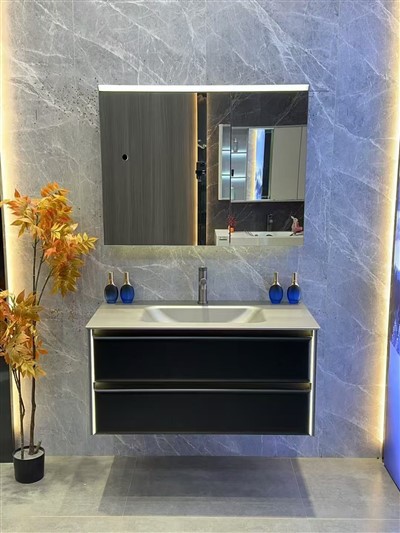


A bathroom sink - also known as a bathroom basin - is the functional centerpiece of every bathroom, and the material you choose directly impacts aesthetics, durability, maintenance, and project cost. For B2B buyers including distributors, contractors, and hospitality developers, selecting the right bathroom sink material is a strategic decision that affects customer satisfaction, warranty exposure, and competitive positioning. This guide provides a detailed comparison of five leading bathroom sink materials - marble, granite, quartz, ceramic, and resin - with sourcing recommendations for B2B buyers.
Quick Facts
- Materials Covered: Marble, Granite, Quartz, Ceramic, Resin
- Target Audience: B2B Buyers, Contractors, Developers
- MOQ: 10 Units (LEVI Decor)
- Sample Lead Time: 7–15 Days
- Manufacturer: LEVI Decor (Hangzhou, China)
Bathroom Sink Materials at a Glance
The bathroom sink market offers five primary material categories, each with distinct performance characteristics, aesthetic qualities, and price points. The following comparison table provides a high-level overview to help B2B buyers quickly identify the best material for their specific project requirements:
| Material | Durability | Porosity | Maintenance | Price Tier |
|---|---|---|---|---|
| Marble | Moderate (10-15 yrs) | Porous | High (sealing required) | Premium |
| Granite | High (20+ yrs) | Slightly porous | Moderate (periodic sealing) | High |
| Quartz | High (20+ yrs) | Low porosity | Low | Medium-High |
| Ceramic | Good (15-20 yrs) | Low (glazed) | Low | Medium |
| Resin | Good (10-15 yrs) | Non-porous | Low | Medium |
Marble Bathroom Sink: Timeless Luxury for Premium Projects
A marble bathroom sink represents the pinnacle of bathroom luxury, offering distinctive natural veining patterns that no engineered material can truly replicate. Each marble sink is a unique piece of natural art, formed over millions of years through geological processes. For high-end hospitality projects and luxury residential developments, marble remains a powerful status symbol that commands premium pricing.
Marble Properties and Considerations
- Aesthetic: Unmatched natural beauty with unique veining patterns in each piece
- Hardness: Mohs scale 3-4, making it softer and more susceptible to scratching than other stones
- Porosity: Natural porosity requires sealing every 6-12 months to prevent staining
- Chemical sensitivity: Vulnerable to acidic substances (citrus, vinegar, certain cosmetics)
- Best applications: Luxury hotel suites, high-end residential master bathrooms, boutique hospitality
- Color options: Carrara white, Calacatta gold, Emperador brown, Crema Marfil beige
For B2B buyers, the key consideration with marble is maintenance commitment. Projects must have housekeeping protocols that include regular sealing and the use of pH-neutral cleaning products. While marble's aesthetic appeal is undeniable, its practical limitations make it best suited for environments where maintenance resources are available and the luxury positioning justifies the additional care requirements.
Granite Bathroom Sink: Natural Strength and Durability
A granite bathroom sink offers the natural beauty of stone with significantly enhanced durability compared to marble. Granite is an igneous rock formed from cooled magma, giving it exceptional hardness and density. Granite sinks are popular in both residential and commercial applications where buyers want natural stone aesthetics with practical performance.
Granite Properties and Benefits
- Hardness: Mohs scale 6-7, providing excellent scratch and chip resistance
- Heat resistance: Withstands extreme temperatures without damage
- Porosity: Slightly porous, requiring periodic sealing (typically once per year)
- Color options: Wide range of natural colors and patterns - black, gray, brown, pink, green
- Best applications: Family homes, mid-to-high-end hospitality, commercial restrooms
- Cost: Generally less expensive than marble while offering superior durability
Granite bathroom sinks are an excellent B2B choice for projects targeting the mid-to-high market segment. They deliver natural stone aesthetics with better durability and lower maintenance than marble, making them versatile for both residential and commercial applications. However, the need for periodic sealing and natural color variation between pieces can present challenges for large multi-unit projects requiring consistency.
Quartz Bathroom Sink: Engineered Consistency and Performance
A quartz bathroom sink is an engineered product made from approximately 90% ground natural quartz and 10% resin binders and pigments. This manufacturing process creates a material that offers the visual appeal of natural stone with enhanced consistency, durability, and stain resistance. For B2B buyers, quartz provides an optimal balance of aesthetics, performance, and cost-effectiveness.
Quartz Properties and Advantages
- Consistency: Engineered production ensures uniform color and pattern across all units - critical for multi-unit projects
- Durability: Mohs hardness 7, providing excellent scratch and chip resistance
- Low porosity: Resin binding creates a nearly non-porous surface that resists staining
- Color range: Available in virtually any color and pattern, including marble-look reproductions
- Maintenance: Minimal - no sealing required, clean with standard non-abrasive cleaners
- Heat sensitivity: Can be damaged by sudden extreme temperature changes (thermal shock)
- Best applications: Multi-unit residential, hospitality, commercial projects requiring consistency
Quartz bathroom sinks are particularly valuable for B2B buyers managing large projects where material consistency is essential. Unlike natural stone, where each piece varies, engineered quartz delivers predictable appearance and performance across hundreds of installations. This consistency simplifies project planning, reduces customer complaints about color variation, and streamlines replacement ordering.
Ceramic Bathroom Sink: Classic Versatility and Value
A ceramic bathroom sink is manufactured from clay that is fired at high temperatures and finished with a vitreous glaze. Ceramic has been the most widely used bathroom sink material for decades, offering an exceptional combination of hygiene, aesthetics, and value. For B2B buyers, ceramic sinks provide the broadest range of design options at competitive price points.
Ceramic Properties and Strengths
- Hygiene: Glazed ceramic surface is non-porous, inhibiting bacterial growth and stain penetration
- Design versatility: Available in virtually any shape, color, and style - from classic round to contemporary vessel designs
- Durability: Glazed surface is highly resistant to scratches, stains, and fading
- Maintenance: Extremely low - clean with any standard bathroom cleaner
- Cost: Most cost-effective option for quality bathroom sinks, making it ideal for budget-conscious projects
- Chip vulnerability: Can chip if struck by heavy objects, though quality glazing minimizes this risk
- Best applications: Budget to mid-range projects, rental properties, multi-family housing, standard hotel rooms
Ceramic bathroom sinks remain the workhorse of the industry, offering reliable performance and aesthetic flexibility at accessible price points. For B2B buyers serving volume markets - apartment complexes, mid-range hotels, and tract housing - ceramic provides the best value proposition. The wide range of available shapes and glazes also makes ceramic suitable for design-focused projects seeking specific aesthetic expressions.
Resin Bathroom Sink: Modern Design Freedom
A resin bathroom sink - often referred to as stone resin or solid surface - is manufactured from a blend of natural minerals (such as limestone or bauxite) and polymer resins. This material category offers unparalleled design freedom, as resin can be molded into virtually any shape, including seamless integrated sink-countertop combinations that eliminate crevices and joints.
Resin Properties and Design Benefits
- Non-porous: Completely impervious to water, stains, and bacteria - ideal for hygiene-critical environments
- Seamless integration: Can be fabricated as a single-piece sink and countertop unit, eliminating joints and crevices
- Repairability: Minor scratches and chips can be sanded and refinished on-site, extending product lifespan
- Design flexibility: Can be molded into any shape - round, square, oval, organic forms, and custom designs
- Color options: Available in solid colors and patterns throughout the material (color runs through the entire sink)
- Heat sensitivity: Less heat-resistant than stone; prolonged exposure to very hot water may cause surface damage
- Best applications: Contemporary designs, custom projects, healthcare facilities, luxury hospitality seeking seamless aesthetics
Resin bathroom sinks are gaining significant market share, particularly in contemporary design segments. The ability to create seamless, joint-free sink installations addresses both aesthetic preferences and hygiene requirements. For B2B buyers targeting the modern design market or healthcare/hospitality sectors where hygiene is paramount, resin sinks offer compelling advantages.
Sourcing Bathroom Sinks: A B2B Buyer's Guide
Sourcing bathroom sinks from a reliable manufacturer is essential for B2B success. Whether you need marble bathroom sinks for a luxury hotel project or ceramic bathroom sinks for a multi-family development, partnering with the right manufacturer ensures product quality, competitive pricing, and reliable delivery.
Evaluating a Bathroom Sink Supplier
- Material expertise: Verify the manufacturer has proven experience with your required sink materials - marble cutting, granite fabrication, quartz engineering, ceramic firing, or resin molding.
- Production capacity: Ensure the factory can handle your volume - from small-batch custom orders to large-scale production runs.
- Quality control: Confirm multi-stage QC processes, including raw material inspection, in-process monitoring, and final product testing.
- Customization: For OEM/ODM projects, verify the manufacturer offers custom shapes, colors, dimensions, and branding options.
- Certifications: Verify relevant compliance - CARB for wood components, CE for European markets, water efficiency certifications where applicable.
- Sample policy: Look for suppliers offering sample evaluation with low or no minimum order quantities.
OEM and ODM Bathroom Sink Sourcing
Leading bathroom vanity manufacturers in China offer comprehensive OEM and ODM services for bathroom sinks. Under OEM arrangements, buyers provide specifications - material, dimensions, shape, finish, and branding - and the manufacturer produces to these requirements. ODM arrangements allow buyers to select from the manufacturer's in-house design library, apply their branding, and accelerate time-to-market.
LEVI Decor, a bathroom vanity manufacturer with 14 years of experience and a 10,000-square-meter factory in Hangzhou, China, offers full OEM/ODM bathroom sink capabilities across all five material categories - marble, granite, quartz, ceramic, and resin. With sample turnaround in 7-15 days, flexible MOQ from 10 units, and 24/7 dedicated support, LEVI Decor enables B2B buyers to bring custom bathroom sink products to market efficiently and profitably.
Frequently Asked Questions
What is the best material for a bathroom sink?
The best material depends on project requirements. For luxury projects with available maintenance resources, marble offers unmatched aesthetics. For durability with natural stone appeal, granite is excellent. For consistency across multi-unit projects, quartz is ideal. For value and versatility, ceramic is the top choice. For seamless contemporary designs and maximum hygiene, resin is the best option. Most B2B buyers benefit from offering multiple materials to serve different market segments.
How do I choose between marble and quartz bathroom sinks?
Choose marble if your project prioritizes unique natural aesthetics and luxury positioning, and if maintenance resources (regular sealing, specialized cleaning) are available. Choose quartz if you need material consistency across multiple units, lower maintenance requirements, and superior stain resistance. Quartz is generally the better B2B choice for multi-unit commercial projects, while marble suits one-of-a-kind luxury installations.
Are ceramic bathroom sinks durable enough for commercial use?
Yes, quality ceramic bathroom sinks are highly durable for commercial applications. The glazed surface is non-porous, scratch-resistant, and easy to clean. The primary risk is chipping from heavy impacts, but this risk is minimal with proper installation and reasonable care. Ceramic sinks are widely used in hotels, restaurants, and commercial restrooms, offering excellent longevity at competitive price points.
Can I get custom bathroom sinks manufactured in China?
Yes. Leading bathroom vanity manufacturers in China, including LEVI Decor, offer full OEM/ODM services for bathroom sinks across all materials - marble, granite, quartz, ceramic, and resin. Custom specifications can include dimensions, shapes, colors, finishes, and brand-specific packaging. Sample turnaround typically takes 7-15 days, with production MOQ starting from 10 units.
What is the difference between resin and ceramic bathroom sinks?
Ceramic sinks are made from fired clay with a glazed surface, while resin sinks are made from a blend of natural minerals and polymer resins. Resin is non-porous throughout (color runs through the entire material), can be molded into seamless sink-countertop units, and is repairable if scratched. Ceramic has a glazed surface that is highly durable and hygienic but can chip if struck. Resin offers more design flexibility, while ceramic offers better heat resistance and lower cost.
About LEVI Decor
LEVI Decor is a leading bathroom vanity and sink manufacturer based in Hangzhou, China. With 14 years of experience and a 10,000-square-meter factory, we provide comprehensive OEM/ODM bathroom sink solutions across marble, granite, quartz, ceramic, and resin materials. Visit www.levi-bathroom.com to start your custom project today.