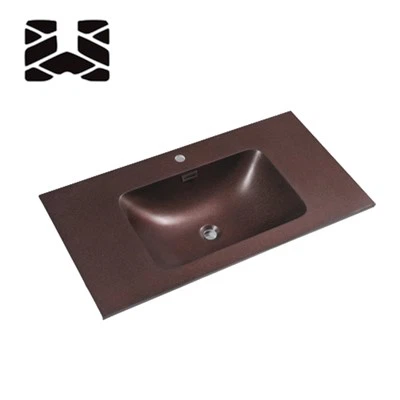


As a supplier of Bathroom Marble Countertops, I understand the importance of maintaining the beauty and longevity of these exquisite surfaces. Marble countertops are a luxurious addition to any bathroom, but they are also vulnerable to water damage. In this blog post, I will share some practical tips on how to protect your bathroom marble countertops from water damage, ensuring they remain in pristine condition for years to come.
Understanding the Nature of Marble
Marble is a natural stone composed primarily of calcium carbonate. While it is known for its elegance and durability, it is also porous and susceptible to staining and etching when exposed to water and certain substances. Water can seep into the pores of the marble, causing discoloration, mold growth, and structural damage over time. Therefore, it is essential to take proactive measures to protect your marble countertops.
Sealing Your Marble Countertops
One of the most effective ways to protect your bathroom marble countertops from water damage is to seal them regularly. Sealing creates a protective barrier on the surface of the marble, preventing water and other liquids from penetrating the pores. When choosing a sealer, look for a high-quality product specifically designed for marble surfaces. There are two main types of sealers: penetrating sealers and topical sealers.
- Penetrating Sealers: These sealers are absorbed into the pores of the marble, providing long-lasting protection from within. They do not change the appearance of the marble and are ideal for maintaining the natural look and feel of the stone. Penetrating sealers typically need to be reapplied every 1 - 3 years, depending on the level of use and exposure.
- Topical Sealers: Topical sealers form a protective layer on the surface of the marble, creating a glossy or matte finish. While they offer excellent protection against water and stains, they may require more frequent reapplication and can sometimes alter the appearance of the marble.
Before applying a sealer, make sure your marble countertops are clean and dry. Follow the manufacturer's instructions carefully, and apply the sealer evenly using a soft cloth or brush. Allow the sealer to dry completely before using the countertop.
Wiping Up Spills Immediately
Even with a sealer, it is crucial to wipe up spills on your marble countertops immediately. Water, along with other liquids such as soap, shampoo, and toothpaste, can leave behind stains and etch marks if left on the surface for too long. Keep a soft, dry cloth handy in your bathroom and use it to blot up any spills as soon as they occur. Avoid using abrasive materials or harsh chemicals, as these can damage the marble.


Using Coasters and Mats
To prevent water rings and stains from forming on your marble countertops, use coasters under glasses and cups, and place mats or trays under soap dispensers, toothbrush holders, and other bathroom essentials. This simple step can go a long way in protecting your marble from water damage and maintaining its pristine appearance.
Avoiding Standing Water
Standing water is one of the biggest enemies of marble countertops. Make sure to keep your countertops dry by wiping them down regularly and avoiding leaving wet items on the surface. If you have a sink or bathtub on your countertop, ensure that the drains are clear and functioning properly to prevent water from pooling.
Cleaning Your Marble Countertops Properly
Proper cleaning is essential for maintaining the beauty and integrity of your marble countertops. Use a gentle, pH-neutral cleaner specifically formulated for marble surfaces. Avoid using acidic or abrasive cleaners, as these can etch and damage the marble. To clean your countertops, simply apply the cleaner to a soft cloth and wipe the surface in a circular motion. Rinse the cloth frequently and dry the countertop thoroughly with a clean, dry cloth.
Protecting Your Marble Countertops from Hard Water
Hard water can leave behind mineral deposits on your marble countertops, causing them to look dull and cloudy over time. To prevent this, use a water softener or install a water filtration system in your bathroom. If you already have hard water stains on your countertops, you can remove them using a mixture of equal parts water and white vinegar. Apply the solution to the stains using a soft cloth and let it sit for a few minutes before rinsing it off with water.
Choosing the Right Marble for Your Bathroom
When selecting a marble countertop for your bathroom, it is important to choose a type of marble that is suitable for the wet environment. Some marbles are more porous and prone to water damage than others. For example, Carrara White Marble is a popular choice for bathroom countertops due to its durability and resistance to water damage. Other options include Bathroom Carrara White Marble Countertops, Bathroom Platinum Diamond Marble Countertop, Bathroom Luxury Marble Countertops, and Bathroom Natural Marble Countertops.
Regular Maintenance and Inspection
In addition to the above steps, it is important to regularly inspect your marble countertops for signs of water damage, such as stains, discoloration, or etching. If you notice any issues, address them promptly to prevent further damage. You may also want to consider having your countertops professionally cleaned and sealed every few years to ensure they remain in optimal condition.
Conclusion
Protecting your bathroom marble countertops from water damage requires a combination of proper sealing, regular cleaning, and proactive maintenance. By following the tips outlined in this blog post, you can ensure that your marble countertops remain beautiful and functional for years to come.
If you are interested in purchasing high-quality bathroom marble countertops or have any questions about marble care and maintenance, please feel free to contact us. We are here to help you find the perfect marble countertops for your bathroom and provide you with the support and guidance you need to keep them looking their best.
References
- "Marble Care and Maintenance Guide." Marble Institute of America.
- "How to Seal Marble Countertops." This Old House.
- "Cleaning and Protecting Marble Surfaces." Family Handyman.