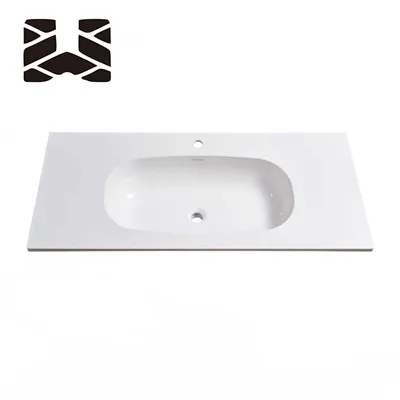


Hey there! As a supplier of Bathroom Marble Countertops, I've seen firsthand how a well-sealed marble countertop can transform a bathroom. It not only enhances the beauty but also extends the lifespan of the marble. So, let's dive into how you can seal your bathroom marble countertops like a pro.
Why Sealing Bathroom Marble Countertops is a Must
Marble is a natural stone, and it's porous. That means it can absorb liquids, stains, and even bacteria if left unsealed. In a bathroom, where there's constant exposure to water, soap, toothpaste, and other substances, sealing the marble countertop is crucial. A good sealant acts as a protective barrier, preventing these substances from seeping into the marble and causing damage.
Think about it. You don't want your beautiful Bathroom Natural Marble Countertops to get stained by toothpaste or discolored by hard water. Sealing helps maintain the pristine look of the marble, making your bathroom look luxurious and fresh for years to come.
Choosing the Right Sealant
There are two main types of sealants for marble countertops: penetrating sealants and topical sealants.
Penetrating sealants are absorbed into the marble, filling the pores and creating an invisible barrier. They're great for protecting the marble from within and are less likely to change the appearance of the stone. Topical sealants, on the other hand, form a layer on top of the marble. They can give the marble a shiny finish but may require more maintenance.
When choosing a sealant, look for one specifically designed for marble. Read the labels carefully and make sure it's suitable for bathroom use. Some sealants are better at repelling water, while others are more effective against stains. Consider your needs and the level of protection you want for your Bathroom Carrara White Marble Countertops.
Preparing the Countertop
Before you start sealing, you need to prepare the countertop properly. First, clean the surface thoroughly. Use a mild, pH-neutral cleaner and a soft cloth or sponge to remove any dirt, grime, or soap scum. Rinse the countertop with clean water and dry it completely.
Next, check for any scratches or chips in the marble. If you find any, you may need to repair them before sealing. You can use a marble repair kit for minor scratches and chips. Just follow the instructions on the kit to get the best results.
Once the countertop is clean and dry, and any repairs are done, it's time to test the sealant. Apply a small amount of the sealant to an inconspicuous area of the countertop and let it dry. Check for any discoloration or changes in the appearance of the marble. If everything looks good, you're ready to proceed.
Applying the Sealant
Now comes the fun part – applying the sealant. Start by reading the instructions on the sealant carefully. Different sealants may have different application methods and drying times.
Most penetrating sealants are applied using a clean, lint-free cloth or a applicator pad. Pour a small amount of the sealant onto the cloth or pad and spread it evenly over the surface of the countertop. Make sure to cover the entire surface, including the edges and corners. Use a circular motion to work the sealant into the marble.
For topical sealants, you may need to use a brush or a roller. Apply the sealant in thin, even coats. Let each coat dry completely before applying the next one. Usually, two or three coats are recommended for optimal protection.
After applying the sealant, let it dry for the recommended time. This can range from a few hours to a full day, depending on the type of sealant. During this time, avoid using the countertop and keep it away from moisture.
Maintaining the Sealed Countertop
Once the sealant has dried, your marble countertop is ready to use. But the work doesn't stop there. To keep the sealant effective and your countertop looking great, you need to maintain it properly.
Avoid using harsh chemicals or abrasive cleaners on the countertop. These can damage the sealant and the marble surface. Instead, use a mild, pH-neutral cleaner and a soft cloth for regular cleaning. Wipe up any spills immediately to prevent staining.
Re-sealing the countertop is also important. How often you need to re-seal depends on the type of sealant and the amount of use the countertop gets. Generally, it's a good idea to re-seal every 1 to 3 years. You can test the effectiveness of the sealant by dropping a small amount of water on the countertop. If the water beads up, the sealant is still working. If it soaks in, it's time to re-seal.
Our Bathroom Marble Countertop Options
At our company, we offer a wide range of Bathroom Luxury Marble Countertops to suit your style and budget. From the classic Carrara White Bathroom Marble Countertop Basin to the elegant Bathroom Platinum Diamond Marble Countertop, we've got you covered.


Our marble countertops are made from high-quality natural stone and are designed to withstand the rigors of daily use. We also provide expert advice on sealing and maintaining your countertops to ensure they look their best for years to come.
Contact Us for Purchasing
If you're interested in our Bathroom Marble Countertops, don't hesitate to reach out. We're here to help you choose the perfect countertop for your bathroom and provide you with all the information you need to keep it in top condition. Whether you have a small powder room or a large master bathroom, we have the right solution for you.
References
- Marble Institute of America. (2023). Care and Maintenance of Natural Stone.
- Stone World Magazine. (2023). Best Practices for Sealing Marble Countertops.