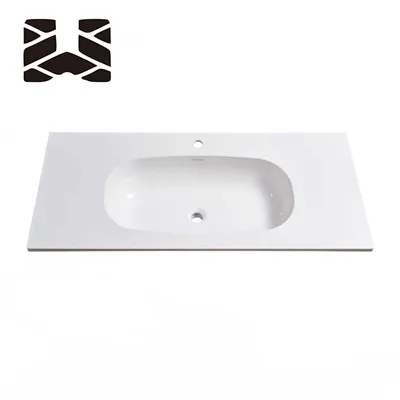


Hey there! As a supplier of Bathroom Sink Tops, I often get asked about the differences between stone - resin and natural stone bathroom sink tops. So, I thought I'd break it down in this blog post.
1. Appearance
Let's start with the look. Natural stone bathroom sink tops have a unique, organic beauty. Take Carrara White Bathroom Sink Tops, for example. Carrara marble is known for its soft, white background with delicate grey veining. Each piece is different, making your bathroom sink top one - of - a - kind. There's also Natural Marble Bathroom Sink Tops, which offer a range of colors and patterns, from the classic whites and grays to more exotic options.
On the other hand, stone - resin sink tops are made by combining crushed natural stones with a resin binder. This allows for a more consistent appearance. You can get a White Bathroom Sink Top made of stone - resin that has a smooth, even color without the variability of natural stone. While it might not have the same natural charm as real stone, it can give your bathroom a clean, modern look.
2. Durability
Durability is a big factor when choosing a bathroom sink top. Natural stone is generally very strong and can last a long time if properly maintained. Marble, for instance, is a hard and dense material. However, it's also porous, which means it can be stained easily. If you spill acidic substances like lemon juice or vinegar on a Luxury Marble Bathroom Sink Tops, it can etch the surface, leaving a dull spot.
Stone - resin sink tops, on the other hand, are more resistant to stains and scratches. The resin helps to seal the material, preventing liquids from seeping in. They're also less likely to chip or crack compared to some natural stones. This makes them a great choice for busy bathrooms where there's a lot of activity.
3. Maintenance
When it comes to maintenance, natural stone requires a bit more TLC. You need to seal natural stone sink tops regularly, usually once or twice a year, to protect them from stains and etching. You'll also need to be careful about what you clean them with. Harsh chemicals can damage the stone, so it's best to use mild, pH - neutral cleaners.
Stone - resin sink tops are much easier to maintain. You can clean them with regular household cleaners without worrying about damaging the surface. They don't need to be sealed, which saves you time and money in the long run.


4. Cost
Cost is always a consideration. Natural stone bathroom sink tops can be quite expensive, especially if you're going for high - end options like luxury marble. The cost depends on the type of stone, its quality, and the size of the sink top. Installation can also be more expensive because natural stone is heavy and requires special handling.
Stone - resin sink tops are generally more affordable. They're often less expensive than natural stone, and the installation is usually simpler and cheaper. This makes them a great option for those on a budget who still want a nice - looking bathroom sink top.
5. Environmental Impact
If you're environmentally conscious, you might be interested in the environmental impact of your sink top choice. Natural stone is a natural resource, and quarrying it can have a significant impact on the environment. There's also the transportation cost, as natural stone is often mined in other countries and then shipped long distances.
Stone - resin sink tops can be a more eco - friendly option. Many manufacturers use recycled materials in the production of stone - resin, reducing the demand for new natural resources. Additionally, they're lighter, which means less fuel is used in transportation.
6. Design Flexibility
Natural stone has some limitations when it comes to design flexibility. The shape and size of the sink top are often determined by the available stone slabs. While you can get custom - cut pieces, it can be more expensive and time - consuming.
Stone - resin, however, offers greater design flexibility. It can be molded into various shapes and sizes, allowing for more creative designs. You can get unique shapes for your sink, like oval or kidney - shaped, that might not be as easy to achieve with natural stone. Corian Bathroom Sink Tops, a type of stone - resin, are known for their design versatility.
In conclusion, both stone - resin and natural stone bathroom sink tops have their pros and cons. Natural stone offers a unique, luxurious look but requires more maintenance and can be more expensive. Stone - resin is more affordable, easier to maintain, and offers greater design flexibility.
If you're in the market for a bathroom sink top and not sure which option is right for you, feel free to reach out. We can help you make an informed decision based on your budget, style preferences, and practical needs. Whether you choose a natural stone sink top for its timeless beauty or a stone - resin one for its convenience, we've got you covered. Let's start a conversation about your bathroom sink top project!
References
- "Bathroom Countertop Materials Guide." Home Improvement Magazine.
- "The Pros and Cons of Natural Stone vs. Engineered Stone in Bathrooms." Interior Design Journal.